Hey there! As a steel fitting supplier, I've seen firsthand how crucial it is to check the quality of steel fittings before installation. A faulty fitting can lead to leaks, system failures, and even safety hazards. So, in this blog, I'm gonna share some tips on how to ensure you're getting top-notch steel fittings for your projects.
1. Visual Inspection
First things first, a good old visual inspection can tell you a lot about the quality of steel fittings. Start by looking for any visible defects like cracks, dents, or scratches. These imperfections can weaken the fitting and make it more prone to failure under pressure.
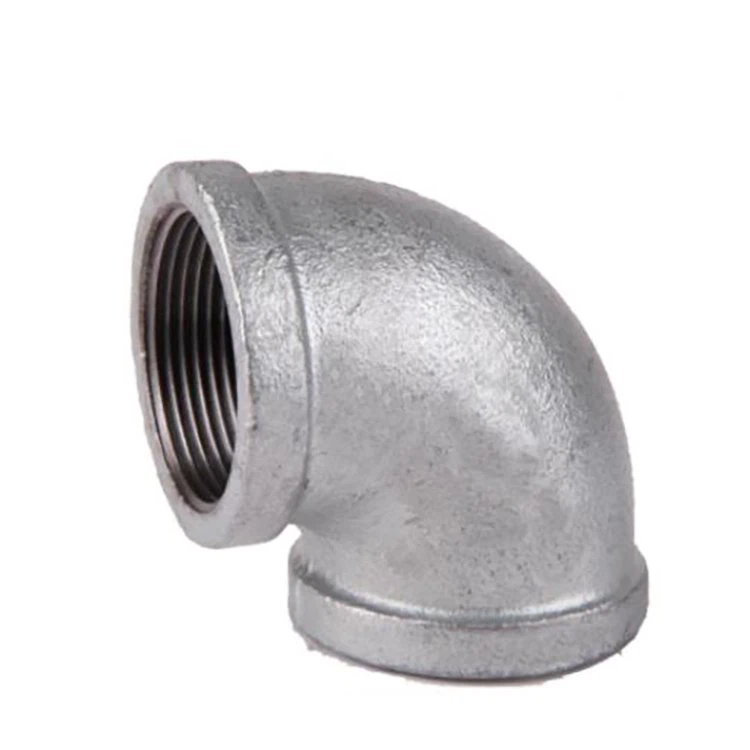
For example, if you're dealing with Gi Pipe Fitting, check the galvanized coating. It should be smooth and evenly distributed. Any signs of peeling, flaking, or rust spots could indicate poor galvanization, which might lead to corrosion over time.
When it comes to Casting Iron Fitting, look for porosity. Castings can sometimes have tiny holes or voids, which can compromise their strength. Also, check the surface finish. A rough finish might suggest poor casting quality.
2. Dimension Checks
Accurate dimensions are essential for proper installation and functionality. You need to ensure that the fittings match the specifications and standards for your project.
Measure the outer diameter, inner diameter, length, and thread pitch of the fittings. Use a caliper or a micrometer for precise measurements. If the dimensions are off, the fitting might not fit properly with other components in the system.
For instance, if you're using Malleable Iron Pipe Fitting Connector, the thread size and pitch must be correct to ensure a tight and leak-free connection. Incorrect dimensions can lead to loose connections, which can cause leaks and reduce the overall efficiency of the system.
3. Material Testing
To really get to the bottom of the quality of steel fittings, you might need to conduct some material testing. This can help you determine the chemical composition and mechanical properties of the steel.
One common test is the hardness test. A hardness tester can be used to measure the hardness of the steel. Different applications require different levels of hardness. For example, fittings used in high-pressure systems might need to be harder to withstand the stress.
Another important test is the chemical analysis. This can be done using a spectrometer. By analyzing the chemical composition, you can ensure that the steel contains the right amount of elements like carbon, manganese, and chromium. The wrong chemical composition can affect the strength, corrosion resistance, and other properties of the fitting.
4. Pressure Testing
Pressure testing is a crucial step in checking the quality of steel fittings. It helps you ensure that the fitting can withstand the pressure it will be subjected to in the actual application.
There are different methods of pressure testing, such as hydrostatic testing and pneumatic testing. Hydrostatic testing involves filling the fitting with water and applying pressure to check for leaks. Pneumatic testing uses air or gas instead of water.
Before conducting the pressure test, make sure the fitting is properly installed and sealed. Then, gradually increase the pressure to the specified test pressure and hold it for a certain period of time. Check for any signs of leakage, deformation, or failure during the test.
5. Surface Finish and Coating Quality
The surface finish and coating of steel fittings can have a significant impact on their performance and durability. A smooth surface finish can reduce friction and prevent the buildup of debris, while a good coating can protect the fitting from corrosion.
Inspect the surface finish for any roughness, unevenness, or burrs. These can cause problems during installation and can also affect the flow of fluids or gases through the fitting.
If the fitting has a coating, check its thickness and adhesion. A thin or poorly adhered coating might not provide adequate protection. You can use a coating thickness gauge to measure the thickness of the coating.
6. Certification and Documentation
Always ask for certification and documentation from the supplier. A reputable supplier should be able to provide you with certificates of conformance, material test reports, and other relevant documents.
These documents can give you valuable information about the quality and origin of the steel fittings. They can also help you ensure that the fittings meet the required standards and specifications for your project.
7. Supplier Reputation
Last but not least, the reputation of the supplier matters a lot. A reliable supplier is more likely to provide high-quality steel fittings.
Do some research on the supplier. Check their reviews and ratings online. Ask for references from other customers. A supplier with a good track record is more likely to stand behind their products and provide good customer service.

As a steel fitting supplier myself, I understand the importance of quality. That's why I always make sure that our products go through rigorous quality checks before they reach our customers. If you're in the market for high-quality steel fittings, don't hesitate to reach out to us for procurement and further discussions. We're here to help you find the best solutions for your projects.
References
- ASME B16.11 - Forged Fittings, Socket-Welding and Threaded
- ASTM A105 - Standard Specification for Carbon Steel Forgings for Piping Applications
- ASTM A53 - Standard Specification for Pipe, Steel, Black and Hot-Dipped, Zinc-Coated, Welded and Seamless