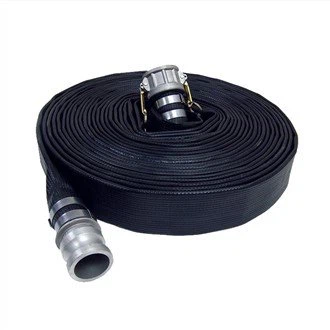
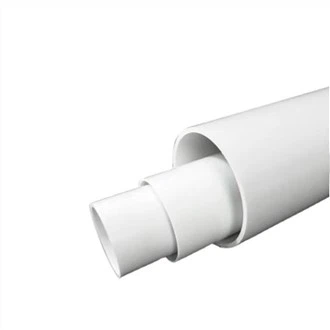
Selecting the right elbow fittings is a crucial decision that can significantly impact the efficiency, safety, and longevity of your piping or tubing systems. As a trusted Fittings supplier, I understand the complexities involved in this process and am here to guide you through the key considerations to ensure you make the best choice for your specific needs.
Understanding Your Application Requirements
The first step in selecting the right elbow fittings is to have a clear understanding of your application requirements. This includes factors such as the type of fluid or gas being transported, the operating pressure and temperature, the flow rate, and the environmental conditions. For example, if you are dealing with corrosive chemicals, you will need elbow fittings made from materials that are resistant to corrosion, such as stainless steel or PVC. On the other hand, if you are working with high-temperature steam, you will need fittings that can withstand the heat without deforming or losing their integrity.
Material Selection
The material of the elbow fittings is one of the most important factors to consider. Different materials have different properties, such as strength, corrosion resistance, flexibility, and temperature resistance. Here are some common materials used for elbow fittings and their applications:
- Stainless Steel: Stainless steel is a popular choice for elbow fittings due to its excellent corrosion resistance, high strength, and durability. It is suitable for a wide range of applications, including chemical processing, food and beverage, and pharmaceutical industries.
- Brass: Brass is a relatively inexpensive material that offers good corrosion resistance and machinability. It is commonly used in plumbing applications, as well as in low-pressure and low-temperature systems.
- PVC (Polyvinyl Chloride): PVC is a lightweight and cost-effective material that is resistant to corrosion and chemicals. It is widely used in water supply, drainage, and irrigation systems.
- Copper: Copper is a highly conductive material that is known for its excellent corrosion resistance and antimicrobial properties. It is commonly used in plumbing and heating systems.
- Carbon Steel: Carbon steel is a strong and durable material that is suitable for high-pressure and high-temperature applications. It is commonly used in oil and gas, power generation, and industrial piping systems.
Size and Dimensions
The size and dimensions of the elbow fittings are also important considerations. You need to ensure that the fittings are compatible with the size of your pipes or tubes. The most common sizes for elbow fittings are specified by the nominal pipe size (NPS) or the outside diameter (OD). Make sure to measure the size of your pipes accurately before selecting the fittings.
In addition to the size, you also need to consider the angle of the elbow fittings. The most common angles are 45 degrees and 90 degrees, but other angles are also available depending on your specific requirements.
Connection Type
The connection type of the elbow fittings is another important factor to consider. There are several types of connections available, including threaded, welded, flanged, and compression. The choice of connection type depends on the application, the material of the pipes or tubes, and the operating conditions.
- Threaded Connections: Threaded connections are easy to install and remove, making them suitable for applications where frequent disassembly is required. They are commonly used in low-pressure and low-temperature systems.
- Welded Connections: Welded connections provide a strong and permanent joint, making them suitable for high-pressure and high-temperature applications. They are commonly used in industrial piping systems.
- Flanged Connections: Flanged connections are used to connect pipes or tubes to other components, such as valves, pumps, and filters. They provide a leak-proof joint and are easy to install and maintain.
- Compression Connections: Compression connections are used to connect pipes or tubes without the need for welding or threading. They are easy to install and provide a reliable seal. They are commonly used in plumbing and heating systems.
Pressure and Temperature Ratings
The pressure and temperature ratings of the elbow fittings are important considerations to ensure the safety and reliability of your piping or tubing systems. You need to select fittings that can withstand the maximum pressure and temperature that your system will experience. The pressure and temperature ratings are usually specified by the manufacturer and are based on the material, size, and design of the fittings.
Flow Characteristics
The flow characteristics of the elbow fittings can also affect the performance of your piping or tubing systems. Elbow fittings can cause turbulence and pressure drop, which can reduce the flow rate and efficiency of the system. To minimize these effects, you need to select fittings with smooth internal surfaces and a proper radius of curvature.

Environmental Considerations
The environmental conditions in which the elbow fittings will be used are also important considerations. If the fittings will be exposed to harsh chemicals, extreme temperatures, or high humidity, you need to select materials that are resistant to these conditions. For example, if the fittings will be used in a marine environment, you need to select materials that are resistant to saltwater corrosion.
Compatibility with Other Components
Finally, you need to ensure that the elbow fittings are compatible with other components in your piping or tubing systems, such as valves, pumps, and filters. Make sure that the fittings have the same connection type, size, and material as the other components to ensure a proper fit and a leak-proof joint.
Related Products
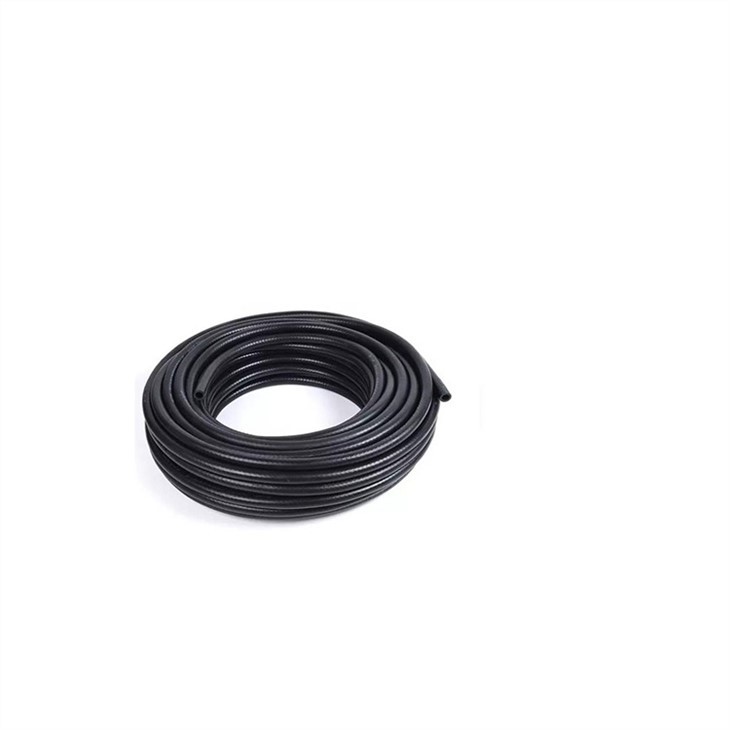
As a Fittings supplier, we also offer a wide range of related products that can complement your elbow fittings. For example, we have Silicone Fiber Hose which is suitable for high-temperature applications, J1401 Brake Hose Chongqing for automotive applications, and Rubber Material Air Hose for industrial air systems.
Conclusion
Selecting the right elbow fittings is a critical decision that requires careful consideration of several factors, including your application requirements, material selection, size and dimensions, connection type, pressure and temperature ratings, flow characteristics, environmental conditions, and compatibility with other components. As a Fittings supplier, we have the expertise and experience to help you make the best choice for your specific needs. If you have any questions or need further assistance, please do not hesitate to contact us. We are here to help you ensure the efficiency, safety, and longevity of your piping or tubing systems.
References
- ASME B16.9 - Factory-Made Wrought Steel Buttwelding Fittings
- ASTM A312 - Standard Specification for Seamless and Welded Austenitic Stainless Steel Pipes
- ASTM D1785 - Standard Specification for Poly (Vinyl Chloride) (PVC) Plastic Pipe, Schedules 40, 80, and 120
- ISO 4044 - Rubber and Plastic Hoses and Hose Assemblies - Vocabulary