Can steel fittings be used in chemical processing plants? That's a question I get asked a lot as a steel fitting supplier. In this blog, I'll break down the ins and outs of using steel fittings in these high - stakes environments.
First off, let's talk about why steel is a popular choice in general. Steel is tough as nails. It has high strength, which means it can handle a lot of pressure without breaking or deforming. This is super important in chemical processing plants where pipes and fittings often have to deal with high - pressure fluids and gases. Whether it's a big industrial plant churning out tons of chemicals every day or a smaller research - based facility, the ability of steel to withstand pressure is a huge plus.
There are different types of steel fittings available, and each has its own set of pros and cons for chemical processing. For instance, we have Water Iron Fittings. These are often made from cast iron or steel alloys that are designed to work well with water - based systems. In chemical plants, water is used for all sorts of things, like cooling processes or as a solvent in some reactions. Water iron fittings are great because they're relatively inexpensive and can resist corrosion to a certain extent. But they may not be the best choice for highly corrosive chemicals.
Then there are Stainless Steel Pipe Fitting Connector. Stainless steel is a game - changer in the chemical processing world. It contains chromium, which forms a thin, protective layer on the surface of the fitting. This layer helps prevent rust and corrosion, even when the fitting is exposed to harsh chemicals. Stainless steel pipe fitting connectors are versatile. They can be used in a wide range of chemical applications, from handling mild acids to more aggressive solvents. They're also easy to clean, which is crucial in a chemical plant where contamination can mess up entire production runs.
Another type is Steel Air Line Fittings. In chemical plants, air is used for various purposes, like pneumatic control systems or as an oxidizing agent in some reactions. Steel air line fittings are strong and can handle the pressure changes that come with air flow. They're designed to ensure a tight seal, which is essential to prevent air leaks. A leaky air line can not only waste energy but also pose safety risks in a chemical environment.
However, it's not all sunshine and rainbows when it comes to using steel fittings in chemical processing plants. One of the biggest challenges is corrosion. Chemicals can be extremely corrosive, and over time, they can eat away at steel fittings. Even stainless steel, which is known for its corrosion resistance, can be affected by certain chemicals under the right conditions. For example, some strong acids or alkaline solutions can break down the protective chromium layer on stainless steel, leading to corrosion.
Temperature is another factor. Chemical processing often involves high - temperature reactions. Steel can handle high temperatures to a point, but if the temperature gets too extreme, it can cause the steel to lose its strength or even warp. This can lead to leaks or failures in the fitting, which can be a major headache in a chemical plant.
So, how do you decide if steel fittings are right for your chemical processing plant? Well, it depends on a few things. First, you need to know what chemicals you'll be handling. If you're dealing with mild, non - corrosive chemicals, then standard steel fittings might work just fine. But if you're working with highly corrosive substances, you'll probably want to go for stainless steel or other specialized alloys.
You also need to consider the operating conditions, like temperature and pressure. If your plant has high - temperature processes, make sure the steel fittings you choose are rated for those temperatures. And if there are high - pressure requirements, the fittings need to be able to handle that without failing.
Maintenance is another key aspect. Steel fittings, especially in a chemical environment, need regular inspection and maintenance. You should check for signs of corrosion, wear and tear, and any loose connections. Catching problems early can prevent costly repairs and downtime.

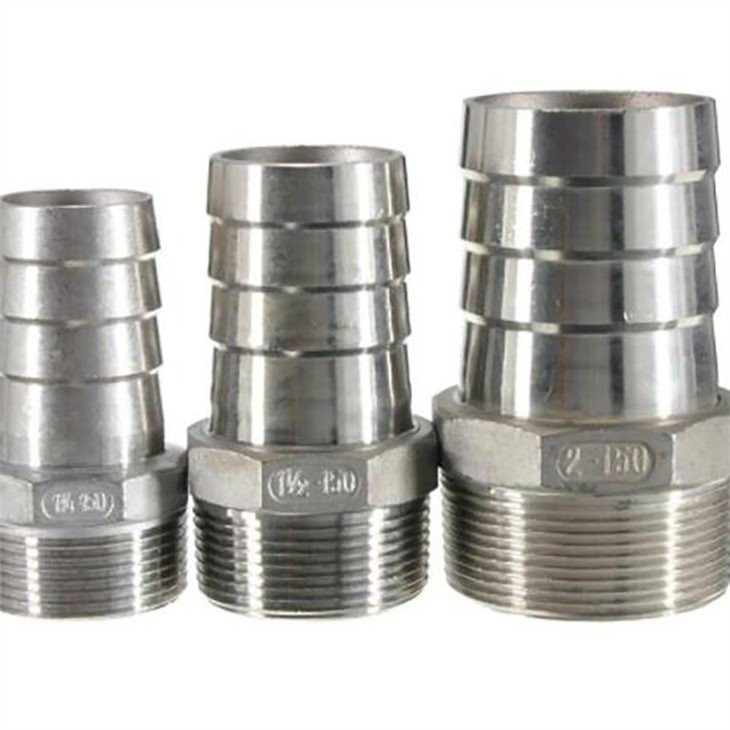
In my experience as a steel fitting supplier, many chemical processing plants find a good balance by using a combination of different types of steel fittings. They might use water iron fittings for less critical water - based systems and stainless steel fittings for the more demanding chemical - handling parts of the plant.
If you're running a chemical processing plant and you're thinking about using steel fittings, or if you're already using them but facing some issues, I'd love to help. I've got a wide range of steel fittings that are suitable for different chemical applications. Whether you need a simple water iron fitting or a high - end stainless steel pipe fitting connector, I can provide you with the right products at a competitive price.
Don't hesitate to reach out to discuss your specific needs. I'm here to make sure you get the best - fitting solutions for your chemical processing plant. Let's work together to keep your operations running smoothly and safely.
References
- ASM Handbook Committee. (2004). ASM Handbook Volume 13A: Corrosion: Fundamentals, Testing, and Protection. ASM International.
- Perry, R. H., & Green, D. W. (2008). Perry's Chemical Engineers' Handbook. McGraw - Hill.