As a supplier of Quick Fitting, I often encounter a question from customers: Can Quick Fitting be reused? This is a crucial question that not only affects the cost - effectiveness of our customers but also has implications for environmental sustainability. In this blog, I'll delve into the details of whether Quick Fitting can be reused and under what conditions.

The Basics of Quick Fitting
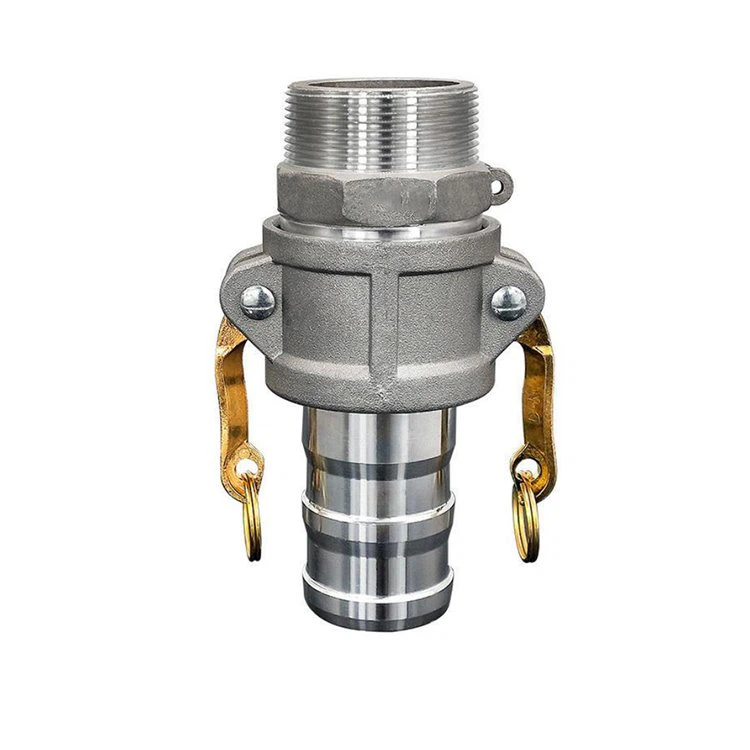
Quick Fittings are designed to provide a fast and easy connection between hoses, pipes, and other fluid - handling components. They are widely used in various industries such as agriculture, manufacturing, and automotive, due to their convenience and efficiency. There are different types of Quick Fittings, including camlock fittings, push - to - connect fittings, and others.
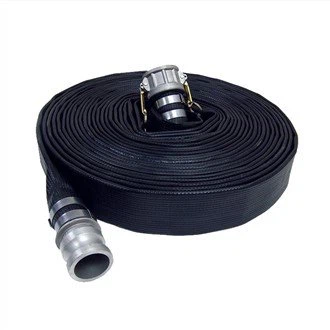
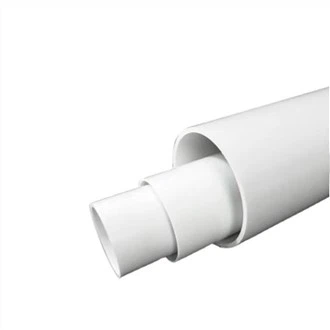
The 2 Inch Layflat Hose Connector is a popular type of Quick Fitting. It is mainly used for connecting layflat hoses, which are commonly used in irrigation systems, water transfer, and other applications where flexible hoses are required. Another example is the Quickly PVC Camlock Fittings, which are made of PVC material and are known for their corrosion resistance and lightweight.
Factors Affecting Reusability
Material Quality
The material of the Quick Fitting plays a significant role in determining its reusability. High - quality materials such as stainless steel, brass, and high - grade plastics are more likely to withstand multiple uses. Stainless steel Quick Fittings are resistant to corrosion, rust, and high - pressure environments. They can be reused many times without significant degradation. For example, in a chemical processing plant, stainless steel Quick Fittings are often reused because they can handle corrosive chemicals without losing their integrity.
On the other hand, low - quality plastics or metals may crack, deform, or wear out quickly. PVC Quick Fittings, while being cost - effective and corrosion - resistant, may become brittle over time, especially when exposed to high temperatures or harsh chemicals. This can reduce their reusability.
Usage Conditions
The conditions under which Quick Fittings are used also impact their reusability. If a Quick Fitting is used in a clean, low - pressure environment, it is more likely to be reusable. For instance, in a domestic water supply system, where the water is clean and the pressure is relatively low, Quick Fittings can be reused multiple times.
However, in harsh industrial environments such as mining or oil and gas extraction, Quick Fittings are exposed to high pressures, abrasive particles, and corrosive substances. These conditions can cause wear and tear on the fittings, reducing their reusability. For example, in an oil well, the high - pressure and abrasive nature of the oil can cause the seals in the Quick Fittings to wear out, making them less suitable for reuse.
Installation and Removal
Proper installation and removal of Quick Fittings are essential for their reusability. If a fitting is installed too tightly or removed with excessive force, it can cause damage to the fitting itself or its seals. For example, when installing a camlock fitting, if the cams are over - tightened, it can lead to deformation of the fitting, making it difficult to reuse.
On the contrary, if the installation and removal are carried out according to the manufacturer's instructions, the chances of reusing the fitting increase significantly. This includes using the correct tools, applying the appropriate amount of torque, and ensuring that the seals are properly seated.
How to Determine if a Quick Fitting Can Be Reused
Visual Inspection
The first step in determining if a Quick Fitting can be reused is a visual inspection. Check for any signs of damage such as cracks, dents, or deformation. If the fitting has visible cracks, it is likely that it will not be able to maintain a proper seal and should not be reused.
Inspect the seals as well. Seals are crucial for preventing leaks, and if they are worn, torn, or damaged, the fitting may not work effectively. For example, in a push - to - connect fitting, the O - ring seal is a critical component. If the O - ring is damaged, it should be replaced before considering reusing the fitting.
Performance Testing
After a visual inspection, it is advisable to perform a performance test. This can involve connecting the fitting to a test system and checking for leaks under normal operating conditions. If there are no leaks and the fitting functions properly, it may be suitable for reuse.
In some cases, pressure testing may also be required, especially for fittings used in high - pressure applications. This can help identify any potential weaknesses in the fitting that may not be visible during a visual inspection.
Benefits of Reusing Quick Fittings
Cost - Savings
One of the most obvious benefits of reusing Quick Fittings is cost - savings. Purchasing new fittings for every installation can be expensive, especially for large - scale projects. By reusing fittings, customers can significantly reduce their procurement costs. For example, in a construction project where hundreds of Quick Fittings are used, reusing even a portion of them can result in substantial savings.
Environmental Sustainability
Reusing Quick Fittings also contributes to environmental sustainability. Manufacturing new fittings requires energy and resources, and it generates waste. By reusing existing fittings, we can reduce the demand for new production, which in turn conserves resources and reduces the environmental impact.
Limitations and Precautions
Safety Concerns
While reusing Quick Fittings can be beneficial, safety should always be the top priority. If there is any doubt about the integrity of a fitting, it should not be reused. Using a damaged or worn - out fitting can lead to leaks, which can be dangerous, especially in applications involving hazardous substances or high pressures.
Compatibility Issues
When reusing Quick Fittings, it is important to ensure compatibility with the rest of the system. For example, if a fitting has been used with a particular type of fluid or in a specific environment, it may not be suitable for use with a different fluid or in a different environment. This can lead to chemical reactions, corrosion, or other problems that can affect the performance and safety of the system.
Conclusion
In conclusion, Quick Fittings can be reused under the right conditions. The material quality, usage conditions, installation and removal processes all play important roles in determining their reusability. By conducting proper visual inspections and performance tests, customers can determine if a fitting is suitable for reuse. Reusing Quick Fittings offers cost - savings and environmental benefits, but safety and compatibility must be carefully considered.
If you have any questions about the reusability of Quick Fittings or are interested in purchasing our high - quality Quick Fittings, such as the 2 Inch Layflat Hose Connector and Quickly PVC Camlock Fittings, please feel free to contact us for procurement and further discussions. We are committed to providing you with the best products and solutions.
References
- "Fluid Power Fittings Handbook", Industrial Press Inc.
- Technical documents from Quick Fitting manufacturers.