As a PPR pipe supplier, I've encountered numerous inquiries regarding the suitability of PPR pipes for water - storage tank pipelines. This topic is of great significance as water - storage tanks play a crucial role in various settings, from residential homes to large - scale industrial complexes. In this blog, I'll delve into the key aspects to help you understand whether PPR pipes can be effectively used in water - storage tank pipelines.

Advantages of Using PPR Pipes in Water - Storage Tank Pipelines
1. Corrosion Resistance
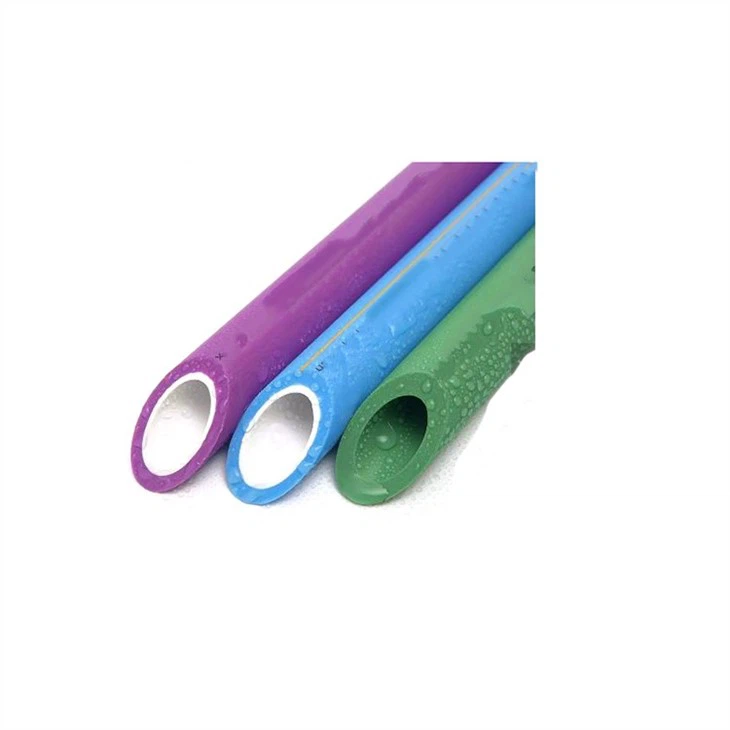
One of the most notable benefits of PPR pipes is their excellent corrosion resistance. Unlike metal pipes, which are prone to rust and corrosion over time, PPR pipes are made from polypropylene random copolymer. This material is highly resistant to chemical corrosion, making it ideal for use in water - storage tank pipelines. Whether the water in the tank is treated with chemicals or has a certain level of acidity or alkalinity, PPR pipes can withstand the conditions without deteriorating. This ensures the long - term integrity of the pipeline system and reduces the risk of water contamination due to pipe corrosion. For more information on the composition and properties of PPR pipes, you can visit Plastic Pipe Polypropylene.
2. Hygiene
PPR pipes are non - toxic and do not release any harmful substances into the water. They meet strict hygiene standards, which is essential when dealing with potable water. In water - storage tank pipelines, maintaining water quality is of utmost importance. PPR pipes help to keep the water clean and safe for consumption. The smooth inner surface of PPR pipes also prevents the accumulation of dirt, bacteria, and other contaminants, further contributing to the hygiene of the water supply.
3. Thermal Insulation
PPR pipes have good thermal insulation properties. In a water - storage tank pipeline, this can be beneficial in several ways. For instance, in cold weather, it helps to prevent the water in the pipes from freezing, reducing the risk of pipe bursting. In hot weather, it can minimize heat transfer from the surrounding environment to the water in the pipes, keeping the water at a more stable temperature. This not only protects the pipeline system but also ensures the comfort of the end - users.
4. Easy Installation
PPR pipes are relatively easy to install compared to other types of pipes. They can be joined using heat fusion, which creates a strong and leak - proof connection. This installation method is quick and requires less labor compared to traditional pipe - joining methods. The lightweight nature of PPR pipes also makes them easier to handle and transport, reducing the overall installation time and cost. For plumbers and contractors, Plumbers Ppr Pipe provides useful information on the installation process and best practices.
Considerations When Using PPR Pipes in Water - Storage Tank Pipelines
1. Temperature Limitations
Although PPR pipes have good thermal insulation properties, they do have temperature limitations. High - temperature water can cause the pipes to soften and lose their structural integrity. In a water - storage tank, if the water is heated to very high temperatures, it may not be suitable to use PPR pipes. Generally, PPR pipes are recommended for use with water temperatures below 95°C. It's important to ensure that the water temperature in the storage tank remains within the acceptable range for PPR pipes.
2. Pressure Ratings
Another important consideration is the pressure rating of the PPR pipes. The water - storage tank pipeline may be subject to different levels of pressure, depending on factors such as the height of the tank, the flow rate of the water, and the type of water supply system. PPR pipes come in different pressure ratings, and it's crucial to select the appropriate pipes based on the specific pressure requirements of the pipeline. Using pipes with a lower pressure rating than required can lead to pipe failure and leaks. You can find detailed information about the pressure ratings of Plastic Pipe Ppr.
3. UV Resistance
PPR pipes are not very resistant to ultraviolet (UV) radiation. If the water - storage tank pipeline is exposed to direct sunlight, the pipes may degrade over time. Therefore, if the pipeline is installed outdoors, it's necessary to provide proper protection, such as using insulation sleeves or burying the pipes underground. This will help to extend the lifespan of the PPR pipes and maintain their performance.
Case Studies and Real - World Applications
In many residential and commercial buildings, PPR pipes have been successfully used in water - storage tank pipelines. For example, in a modern apartment complex, PPR pipes were installed in the water - storage tank pipeline system. The corrosion - resistant and hygienic properties of the PPR pipes ensured that the potable water supply remained clean and safe for the residents. The easy installation process also saved time and labor costs during the construction phase.
In a small - scale industrial facility, PPR pipes were used to connect the water - storage tank to the production equipment. The thermal insulation properties of the pipes helped to maintain a stable water temperature, which was crucial for the production process. However, the facility had to take measures to protect the pipes from UV radiation since the pipeline was partially exposed to sunlight.
Conclusion
In conclusion, PPR pipes can be a suitable choice for water - storage tank pipelines in many cases. Their advantages, such as corrosion resistance, hygiene, thermal insulation, and easy installation, make them an attractive option. However, it's important to consider the temperature limitations, pressure ratings, and UV resistance when using PPR pipes. By carefully evaluating these factors and selecting the appropriate pipes, you can ensure the long - term performance and reliability of the water - storage tank pipeline system.
If you're considering using PPR pipes for your water - storage tank pipeline project, I encourage you to reach out to me for more information and to discuss your specific requirements. I can provide you with high - quality PPR pipes and professional advice to help you make the best decision for your project.
References
- "Plastic Pipes Handbook", a comprehensive guide on the properties and applications of plastic pipes.
- Industry standards and regulations related to PPR pipes and water - storage tank pipelines.