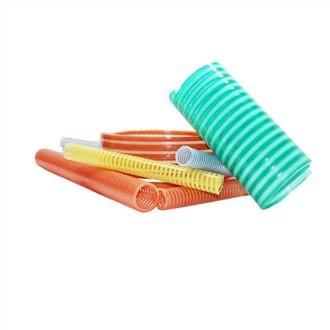
Industrial hoses are essential components in a wide range of industries, facilitating the transfer of various fluids and gases under diverse conditions. One of the most challenging environments for industrial hoses is extreme cold. As an industrial hose supplier, I often encounter inquiries regarding the suitability of our hoses for use in such frigid conditions. In this blog post, I will delve into the factors that determine whether industrial hoses can be used in extreme cold, the materials and designs that are best suited for these conditions, and provide some practical advice for customers.
Understanding the Challenges of Extreme Cold
Extreme cold can have a significant impact on the performance and durability of industrial hoses. At low temperatures, the physical properties of the hose materials can change, leading to reduced flexibility, increased stiffness, and potential cracking. These changes can compromise the integrity of the hose, resulting in leaks, failures, and safety hazards.
One of the primary concerns in extreme cold is the brittleness of the hose materials. As the temperature drops, the polymers used in hose construction become more rigid and less able to withstand stress. This can cause the hose to crack or break when subjected to bending, twisting, or pressure. Additionally, the cold can cause the hose to contract, which may lead to leaks at the connections or fittings.
Another challenge is the effect of cold on the fluid being transported. Some fluids, such as water and certain chemicals, can freeze at low temperatures, which can block the hose and cause damage. Even if the fluid does not freeze, its viscosity may increase, making it more difficult to pump and increasing the pressure within the hose.
Materials and Designs for Extreme Cold Conditions
To ensure the reliable performance of industrial hoses in extreme cold, it is crucial to select the right materials and designs. Here are some of the key factors to consider:
Material Selection
- Rubber Compounds: Certain rubber compounds are more resistant to cold than others. For example, nitrile rubber (NBR) has good low-temperature flexibility and can withstand temperatures as low as -40°F (-40°C). EPDM rubber is also a popular choice for cold applications, offering excellent resistance to weathering and ozone, as well as good low-temperature properties.
- Thermoplastic Elastomers (TPEs): TPEs are a versatile class of materials that combine the properties of rubber and plastics. They offer good flexibility at low temperatures, as well as excellent chemical resistance and abrasion resistance. Some TPEs can withstand temperatures as low as -60°F (-51°C).
- Fluoropolymers: Fluoropolymers, such as PTFE and FEP, are known for their excellent chemical resistance and high-temperature performance. They also have good low-temperature properties, making them suitable for use in extreme cold conditions. However, they are generally more expensive than other materials.
Design Features
- Reinforcement: The reinforcement layer of the hose plays a crucial role in its strength and durability. In extreme cold conditions, it is important to choose a reinforcement material that can maintain its integrity at low temperatures. Braided or spiral-wound steel wire is a common choice for high-pressure hoses, as it provides excellent strength and flexibility.
- Wall Thickness: A thicker wall thickness can provide additional insulation and protection against the cold. However, it is important to balance the wall thickness with the flexibility of the hose, as a too-thick wall can make the hose difficult to bend and maneuver.
- End Fittings: The end fittings of the hose must be able to withstand the cold and maintain a secure connection. Stainless steel or brass fittings are often used in cold applications, as they are resistant to corrosion and have good low-temperature properties.
Our Industrial Hoses for Extreme Cold Conditions
As an industrial hose supplier, we offer a wide range of hoses that are specifically designed for use in extreme cold conditions. Here are some of our popular products:

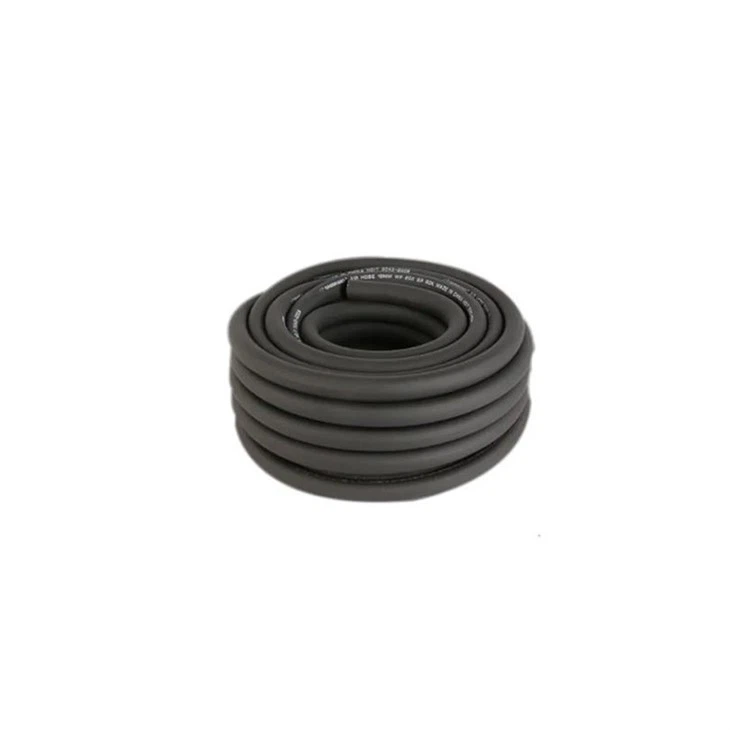
- Fuel Hose Gasoline: Our fuel hoses are made from high-quality rubber compounds that are resistant to gasoline, diesel, and other fuels. They have excellent low-temperature flexibility and can withstand temperatures as low as -40°F (-40°C).
- High Pressure Fuel Hose: For applications that require high-pressure fuel transfer, our high-pressure fuel hoses are the ideal choice. They are reinforced with multiple layers of steel wire and have a thick wall thickness to ensure maximum strength and durability. They can withstand pressures up to 500 psi and temperatures as low as -40°F (-40°C).
- 4'' Black Nitrile Hose: Our 4'' black nitrile hoses are made from nitrile rubber, which offers excellent resistance to oil, grease, and chemicals. They have good low-temperature flexibility and can withstand temperatures as low as -40°F (-40°C). These hoses are commonly used in industrial applications, such as oil and gas, chemical processing, and food and beverage.
Practical Advice for Using Industrial Hoses in Extreme Cold
In addition to selecting the right materials and designs, there are some practical steps you can take to ensure the reliable performance of industrial hoses in extreme cold conditions:
- Insulation: Insulating the hose can help to prevent heat loss and keep the fluid at a suitable temperature. You can use insulation sleeves or wraps made from materials such as foam or fiberglass.
- Heating: In some cases, it may be necessary to heat the hose or the fluid to prevent freezing. This can be done using electric heating tapes or blankets, or by circulating hot water or steam through a jacket around the hose.
- Regular Inspection: Regularly inspect the hose for signs of damage, such as cracks, leaks, or wear. Replace any damaged hoses immediately to prevent failures and safety hazards.
- Proper Storage: When not in use, store the hoses in a warm, dry place to prevent them from becoming brittle or damaged. Avoid exposing the hoses to direct sunlight or extreme temperatures.
Conclusion
In conclusion, industrial hoses can be used in extreme cold conditions, but it is essential to select the right materials and designs and take appropriate precautions to ensure their reliable performance. By understanding the challenges of extreme cold and choosing the right products, you can minimize the risk of hose failures and ensure the safety and efficiency of your operations.
If you have any questions or need further information about our industrial hoses for extreme cold conditions, please do not hesitate to contact us. Our team of experts is always available to provide you with the best solutions for your specific needs. We look forward to working with you to meet your industrial hose requirements.
References
- "Handbook of Elastomers", Second Edition, Edited by James E. Mark, Burak Erman, and Charles L. Roth, 2005.
- "Rubber Technology", Third Edition, Edited by Maurice Morton, 1995.
- "Thermoplastic Elastomers: A Comprehensive Review", Edited by N. R. Legge, G. Holden, and H. E. Schroeder, 1987.