In the realm of modern infrastructure and water supply solutions, High - Density Polyethylene (HDPE) pipes have emerged as a remarkable choice for various applications. As a proud supplier of HDPE pipes, I have witnessed their growing popularity in numerous construction and engineering projects. One frequently asked question that comes up in our interactions with clients is whether HDPE pipes can be used in cold climates. In this blog post, I will delve into the scientific and practical aspects of using HDPE pipes under frigid conditions.
Physical Properties of HDPE Pipes
To understand the suitability of HDPE pipes in cold climates, we must first examine the physical properties of HDPE. HDPE is a thermoplastic polymer known for its high strength - to - density ratio. It is extremely durable, resistant to corrosion, and has excellent chemical resistance. These intrinsic properties make it a reliable material for a wide range of piping systems, including water supply, sewage, and industrial applications.
When it comes to cold temperatures, HDPE has a relatively low brittle - point temperature. The brittle - point temperature is the temperature at which a material loses its ductility and becomes more prone to cracking under stress. For high - quality HDPE pipes, the brittle - point temperature can be as low as - 70°C (- 94°F). This means that under normal cold - climate conditions, which rarely reach such extreme lows, HDPE pipes are unlikely to become brittle and crack.
Thermal Expansion and Contraction
Another important factor to consider in cold climates is thermal expansion and contraction. All materials expand when heated and contract when cooled. In piping systems, this can cause significant stress if not properly accounted for. HDPE pipes have a relatively low coefficient of thermal expansion compared to some other materials like metal pipes.
The low coefficient of thermal expansion of HDPE pipes means that they experience less dimensional change in response to temperature fluctuations. This characteristic is particularly advantageous in cold climates where large temperature differences can occur between seasons. For example, in regions where the temperature can drop from 20°C (68°F) in the summer to - 20°C (- 4°F) in the winter, HDPE pipes will contract less than their metal counterparts. As a result, there is less stress on the joints and the overall structure of the piping system, reducing the risk of leaks and failures.
Resistance to Frozen Water Pressure
In cold climates, one of the biggest concerns for any piping system is the pressure exerted by frozen water. When water freezes, it expands, and if the pipe cannot withstand this expansion, it can burst. HDPE pipes have a unique ability to flex and deform under pressure. Unlike rigid materials such as cast iron or PVC, HDPE pipes can absorb the pressure caused by frozen water without cracking.
The flexibility of HDPE pipes allows them to expand slightly when the water inside freezes, relieving the pressure. Once the ice thaws, the pipes return to their original shape. This property makes HDPE pipes a reliable choice for water supply systems in cold regions where freezing is a common occurrence.
Installation Considerations in Cold Climates
While HDPE pipes are well - suited for cold climates, proper installation is crucial to ensure their long - term performance. During installation in cold weather, it is important to take extra precautions. For example, the pipes should be handled carefully to avoid any impact damage, as the material may become slightly more brittle at lower temperatures.
It is also essential to ensure that the joints between the pipes are properly sealed. HDPE pipes are typically joined using heat fusion or mechanical couplings. In cold weather, the heat fusion process may need to be adjusted to account for the lower ambient temperature. The heating time and temperature may need to be increased to ensure a strong and reliable joint.
Case Studies of HDPE Pipes in Cold Climates
There are numerous real - world examples of successful HDPE pipe installations in cold climates. In northern Canada, where winter temperatures can drop well below - 30°C (- 22°F), HDPE pipes have been used extensively in water supply and sewage systems. These pipes have proven to be reliable over many years, with minimal maintenance requirements.
In Scandinavian countries, such as Norway and Sweden, HDPE pipes are commonly used in district heating systems. Despite the cold winters, the pipes have shown excellent performance, withstanding the temperature variations and the high - pressure requirements of the heating systems.
Our Product Range for Cold Climates
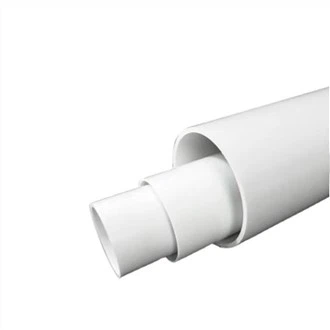
As a leading supplier of HDPE pipes, we offer a wide range of products that are suitable for cold - climate applications. Our Pipe Watering Underground Water Supply Pipe is designed to meet the demands of underground water supply systems in cold regions. It is made from high - quality HDPE material with a low brittle - point temperature and excellent resistance to freezing and thawing cycles.


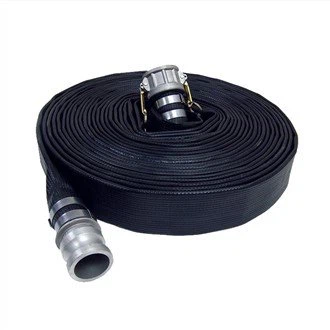
Our 25mm Polyethylene Ldpe Hose is another popular choice for various applications in cold climates. It is flexible, easy to install, and can withstand the harsh conditions of cold weather. Additionally, our Black Hdpe Water Supply Pipe is a reliable option for both above - ground and underground water supply systems in areas with cold climates.
Conclusion and Call to Action
In conclusion, HDPE pipes are indeed a viable option for use in cold climates. Their unique physical properties, including low brittle - point temperature, low coefficient of thermal expansion, and flexibility, make them well - suited to withstand the challenges posed by cold weather. Through proper installation and the use of high - quality products, HDPE pipes can provide a long - lasting and reliable solution for water supply, sewage, and other piping applications in cold regions.
If you are looking for a reliable HDPE pipe supplier for your cold - climate project, look no further. Our team of experts is ready to assist you in selecting the right products and providing professional advice on installation and maintenance. We have a proven track record of delivering high - quality HDPE pipes to clients in various industries and regions. Contact us today to start the procurement discussion and take the first step towards a successful piping project in your cold - climate area.
References
- ASTM International. "Standard Specification for Polyethylene (PE) Plastic Pipe (DR - P Ratios) Based on Outside Diameter." ASTM D3035 - 18.
- ISO Standards. "Plastics pipes and fittings - Determination of triaxial tensile strength of thermoplastics pipes." ISO 13479: 2012.
- Bai, K., & Tam, V. W. Y. (2016). "A review of research on plastics in construction." Construction and Building Materials, 112, 1088 - 1098.