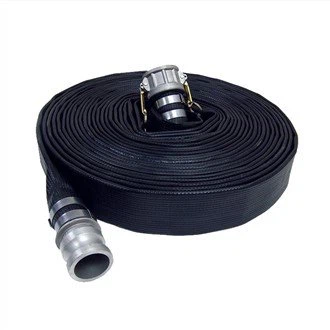
Hey there! As a pipes exhaust supplier, I often get asked if there are any do - it - yourself (DIY) ways to test pipes exhaust performance. Well, you bet there are! In this blog, I'll share some practical and cost - effective DIY methods to help you evaluate how well your exhaust pipes are working.
Why Test Exhaust Performance?
Before we jump into the DIY testing methods, let's quickly talk about why it's important to test your exhaust pipes. A well - performing exhaust system is crucial for your vehicle. It helps to expel harmful gases efficiently, reduces engine backpressure, and can even improve fuel efficiency and engine power. If your exhaust pipes aren't working properly, you might experience issues like decreased performance, increased emissions, and a louder than normal engine noise.
Visual Inspection
The first and easiest DIY test you can do is a visual inspection. This doesn't require any special tools, just a keen eye. Start by parking your vehicle on a flat surface and letting the engine cool down completely. This is really important because hot exhaust pipes can cause serious burns.
Once the engine is cool, get down on the ground and take a look at the exhaust pipes. Check for any obvious signs of damage such as holes, cracks, or rust. Holes and cracks can allow exhaust gases to leak out, which not only reduces the efficiency of the exhaust system but can also be dangerous as these gases are toxic. Rust can weaken the pipes over time and lead to more significant problems.
If you notice any visible damage, it might be time to consider replacing the exhaust pipes. We offer a wide range of high - quality exhaust pipes, like the [Truck Chrome Exhaust Pipe](/automotive - appliance - hose/pipes - exhaust/truck - chrome - exhaust - pipe.html) for trucks and the [Car Dual Exhaust Pipe](/automotive - appliance - hose/pipes - exhaust/car - dual - exhaust - pipe.html) for cars. These pipes are built to last and can improve the overall performance of your vehicle.
Sound Test
Another simple DIY test is the sound test. Your vehicle's exhaust system has a distinct sound, and any changes in that sound can be a sign of a problem. Start the engine and listen carefully. A normal exhaust system should produce a smooth, consistent sound.
If you hear a hissing sound, it could indicate a leak in the exhaust pipes. This is often caused by a small hole or a loose connection. A rattling sound, on the other hand, might mean that there is something loose inside the exhaust system, like a broken baffle or a loose heat shield.
Keep in mind that different vehicles have different normal exhaust sounds. For example, a sports car might have a louder and more aggressive exhaust note compared to a family sedan. But if you notice a sudden change in the sound of your vehicle's exhaust, it's definitely worth investigating further. And if you're a motorcycle enthusiast, we also have the [Exaust Pipe Motorcycle](/automotive - appliance - hose/pipes - exhaust/exaust - pipe - motorcycle.html) that can give your bike the perfect sound and performance.
Exhaust Gas Temperature Test
Testing the exhaust gas temperature can give you a good idea of how well your exhaust system is working. You'll need an infrared thermometer for this test. These thermometers are relatively inexpensive and can be found at most auto parts stores.
Start the engine and let it run for a few minutes to reach normal operating temperature. Then, use the infrared thermometer to measure the temperature of the exhaust pipes at different points. Generally, the temperature should be relatively consistent along the length of the pipes.
If you notice a significant difference in temperature between two points on the exhaust pipes, it could indicate a blockage or a restriction in the exhaust system. A blockage can cause the exhaust gases to build up, leading to higher temperatures in certain areas. This can not only reduce the performance of your engine but also cause damage to the exhaust system over time.
Backpressure Test
Backpressure is the resistance that the exhaust gases encounter as they flow through the exhaust system. Too much backpressure can restrict the flow of exhaust gases, reducing engine power and fuel efficiency. To perform a backpressure test, you'll need a backpressure gauge, which can also be purchased at an auto parts store.
First, locate the oxygen sensor port on your exhaust system. This is usually located near the exhaust manifold. Remove the oxygen sensor and connect the backpressure gauge to the port. Start the engine and let it idle. The gauge will display the backpressure in the exhaust system.
Compare the reading on the gauge to the manufacturer's specifications for your vehicle. If the backpressure is too high, it could mean that there is a blockage in the exhaust system, such as a clogged catalytic converter or a collapsed exhaust pipe.
Smoke Test
A smoke test can help you detect leaks in the exhaust system that might not be visible during a visual inspection. You'll need a smoke machine for this test, which can be rented from an auto parts store.
Start by sealing off the tailpipe of your vehicle with a rubber plug. Then, connect the smoke machine to the exhaust system through the oxygen sensor port or another suitable opening. Turn on the smoke machine and let it fill the exhaust system with smoke.

If there are any leaks in the exhaust pipes, you'll see smoke escaping from the damaged areas. This test is very effective at detecting small leaks that might otherwise go unnoticed.
Conclusion
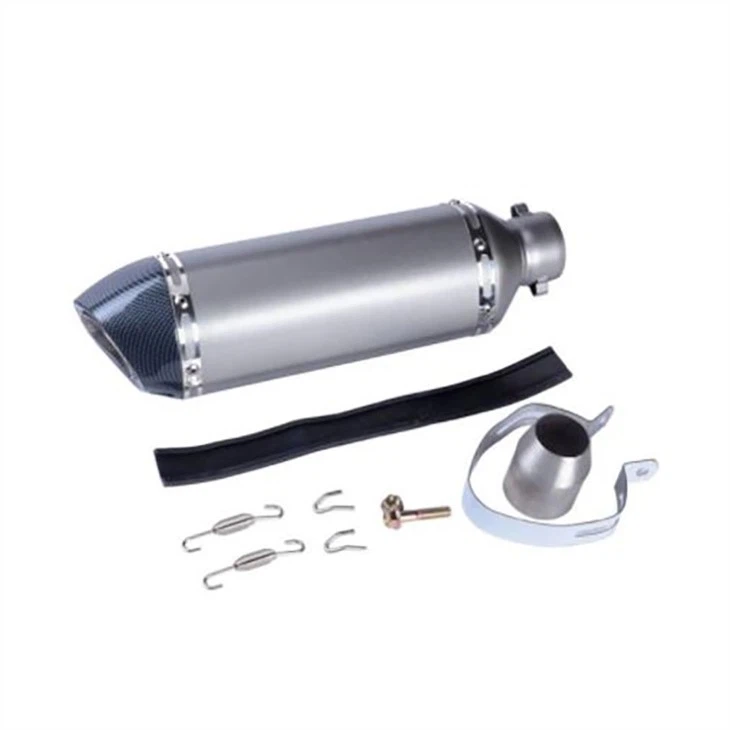
So, there you have it! These are some of the DIY ways to test pipes exhaust performance. By performing these tests regularly, you can keep an eye on the health of your exhaust system and catch any problems early on.
If you find that your exhaust pipes need to be replaced, we're here to help. We offer a wide variety of high - quality exhaust pipes for trucks, cars, and motorcycles. Whether you need a [Truck Chrome Exhaust Pipe](/automotive - appliance - hose/pipes - exhaust/truck - chrome - exhaust - pipe.html), a [Car Dual Exhaust Pipe](/automotive - appliance - hose/pipes - exhaust/car - dual - exhaust - pipe.html), or an [Exaust Pipe Motorcycle](/automotive - appliance - hose/pipes - exhaust/exaust - pipe - motorcycle.html), we've got you covered.
If you're interested in our products or have any questions, don't hesitate to reach out for a procurement discussion. We're always happy to help you find the right exhaust pipes for your needs.

References
- "Automotive Exhaust Systems: Design, Performance, and Testing" by David Crolla
- "How to Diagnose and Repair Your Car's Exhaust System" by Haynes Manuals
- Various automotive repair forums and online resources