Hey there! As a PVC pipe supplier, I often get asked if PVC pipes are suitable for marine applications. It's a great question, and one that I'm more than happy to dive into. So, let's get right into it!
First off, let's talk about what PVC is. PVC, or polyvinyl chloride, is a type of plastic that's known for being strong, durable, and resistant to corrosion. These qualities make it a popular choice for a wide range of applications, from plumbing to construction. But when it comes to the marine environment, there are a few additional factors to consider.
One of the biggest advantages of using PVC pipes in marine applications is their resistance to corrosion. Unlike metal pipes, which can rust and deteriorate over time when exposed to saltwater, PVC pipes are highly resistant to the corrosive effects of salt. This means that they can last for many years in a marine environment without needing to be replaced.


Another benefit of PVC pipes is their lightweight nature. This makes them easy to handle and install, especially in areas where access is limited. Whether you're installing a new water supply system on a boat or building a dock, PVC pipes can save you time and effort.
PVC pipes are also very flexible, which is a big plus in marine applications. They can be bent and shaped to fit around obstacles and follow the contours of the installation site. This flexibility allows for more creative and efficient designs, which can ultimately save you money.
But it's not all sunshine and rainbows. There are a few potential drawbacks to using PVC pipes in marine applications. One of the main concerns is their susceptibility to UV damage. When exposed to sunlight for extended periods, PVC pipes can become brittle and crack. This can lead to leaks and other problems, which can be costly to repair.
To mitigate this issue, it's important to choose PVC pipes that are specifically designed for outdoor use. These pipes are typically treated with UV inhibitors to protect them from the sun's harmful rays. Additionally, you can take steps to protect the pipes from direct sunlight, such as by installing them in shaded areas or covering them with insulation.
Another potential issue is the temperature resistance of PVC pipes. In extremely cold or hot temperatures, PVC pipes can become less flexible and more prone to cracking. This can be a problem in marine environments, where temperatures can vary widely.
To address this issue, it's important to choose PVC pipes that are rated for the temperature range of your specific application. Some PVC pipes are designed to withstand extreme temperatures, while others are better suited for more moderate conditions. Make sure to do your research and choose the right pipes for your needs.
Now, let's take a look at some specific marine applications where PVC pipes can be used.
One common use for PVC pipes in the marine industry is in water supply systems. Whether you're supplying water to a boat, a dock, or a shore-based facility, PVC pipes can provide a reliable and cost-effective solution. They can be used to transport fresh water, saltwater, or a combination of both.
For example, if you're building a new boat, you might use PVC pipes to connect the water tank to the sink and shower. The lightweight and flexible nature of PVC pipes makes them easy to install in the tight spaces of a boat. And because they're resistant to corrosion, you can be confident that your water supply system will last for many years.
Another popular application for PVC pipes in the marine industry is in drainage systems. PVC pipes can be used to collect and transport wastewater from boats, docks, and other marine structures. They're also commonly used in stormwater management systems to prevent flooding and erosion.
For instance, if you're building a dock, you might use PVC pipes to create a drainage system that collects rainwater and directs it away from the structure. This can help prevent damage to the dock and keep it in good condition for longer.
Now, let's talk about some of the products we offer at our company. We have a wide range of PVC pipes that are suitable for marine applications. Here are a few examples:
- Pvc Electrical Conduit Pipe Hose: This type of PVC pipe is designed to protect electrical wires and cables from damage. It's commonly used in marine applications to install electrical systems on boats and other marine structures.
- Agriculture Flexible PVC Irrigation Hose Pipe: While this pipe is primarily designed for agricultural use, it can also be used in marine applications. Its flexibility and durability make it a great choice for watering plants on a boat or in a dockside garden.
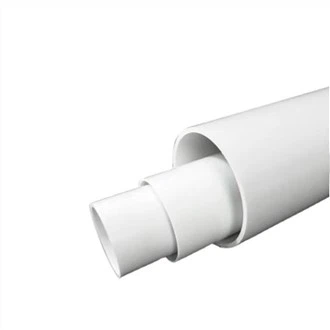
- 400mm Diameter Pvc Pipe: This large-diameter PVC pipe is ideal for heavy-duty marine applications, such as water supply and drainage systems for large boats and docks.
In conclusion, PVC pipes can be a great choice for marine applications, but it's important to choose the right pipes for your specific needs and take steps to protect them from potential damage. If you're considering using PVC pipes in a marine project, I encourage you to do your research and consult with a professional.
If you're interested in learning more about our PVC pipes or have any questions about their suitability for marine applications, please don't hesitate to reach out. We'd be happy to help you find the right solution for your project. Contact us today to start the conversation and let's work together to make your marine project a success!
References
- ASTM International. (2023). Standard Specification for Poly (Vinyl Chloride) (PVC) Plastic Pipe, Schedules 40 and 80.
- National Fire Protection Association. (2023). NFPA 13: Standard for the Installation of Sprinkler Systems.
- Plastic Pipe and Fittings Association. (2023). PVC Pipe Handbook.