When it comes to plumbing and construction projects, the choice of pipes is a crucial decision. Among the various types of pipes available in the market, PVC (Polyvinyl Chloride) pipes have gained significant popularity. As a PVC pipe supplier, I often encounter questions from customers about the ease of installing PVC pipes compared to other types of pipes. In this blog post, I will delve into this topic and provide a comprehensive analysis.
Understanding Different Types of Pipes
Before we compare the installation ease of PVC pipes, let's briefly understand some of the common types of pipes used in construction and plumbing:
Metal Pipes
- Copper Pipes: Copper pipes are known for their durability and resistance to corrosion. They have been used for plumbing for many years and are often preferred for their high - quality appearance. However, copper pipes are relatively expensive and require specialized tools for installation, such as soldering equipment.
- Galvanized Steel Pipes: Galvanized steel pipes were once widely used in plumbing systems. They are strong and can withstand high pressure. But over time, they are prone to rust and corrosion, which can reduce water flow and contaminate the water supply. Installation of galvanized steel pipes also involves threading and requires heavy - duty tools.
Other Plastic Pipes
- PE (Polyethylene) Pipes: PE pipes are flexible and have excellent chemical resistance. They are commonly used for water supply and gas distribution. However, their installation may require fusion welding or special fittings, which can be complex and time - consuming.
- PP (Polypropylene) Pipes: PP pipes are lightweight and have good heat resistance. They are often used in hot water systems. Similar to PE pipes, PP pipes usually need to be joined by welding, which demands specific skills and equipment.
Ease of Installation of PVC Pipes
Lightweight and Easy to Handle
One of the most significant advantages of PVC pipes is their lightweight nature. Compared to metal pipes like copper and galvanized steel, PVC pipes are much easier to transport and maneuver on the construction site. This means that less labor is required to move and position the pipes, reducing the overall installation time and cost. For example, a worker can easily carry a long length of PVC pipe without the need for additional lifting equipment, which is often necessary for heavy metal pipes.
Simple Joining Methods
PVC pipes can be joined using simple methods. One of the most common ways is through solvent welding. Solvent welding involves applying a special solvent to the ends of the pipes and fittings, which softens the PVC material and allows the pipes to fuse together when they are joined. This process is relatively straightforward and does not require complex equipment or high - level skills. Even a novice installer can quickly learn how to perform solvent welding with a little training.
Another option for joining PVC pipes is using mechanical fittings. These fittings are designed to snap or screw onto the pipes, providing a secure connection. Mechanical fittings are especially useful in situations where solvent welding is not practical, such as in cold weather or when making quick repairs.
Versatility in Installation
PVC pipes can be easily cut to the desired length using a simple saw or pipe cutter. This allows for precise installation in various spaces and configurations. Whether you are working on a small residential plumbing project or a large - scale commercial construction, PVC pipes can be customized to fit the specific requirements. Additionally, PVC pipes can be bent using heat, which gives them more flexibility in installation compared to rigid metal pipes.
Comparison with Other Pipes in Installation
Installation Time
In general, PVC pipes can be installed much faster than metal pipes. The lightweight and simple joining methods of PVC pipes mean that the overall installation process can be completed in a shorter period. For example, a plumbing system using PVC pipes may take half the time to install compared to a system using copper pipes, which require soldering at each joint.
Skill Requirements
Installing PVC pipes does not demand highly specialized skills. As mentioned earlier, solvent welding and using mechanical fittings are relatively easy to learn. In contrast, installing metal pipes like copper or galvanized steel requires professional training to perform tasks such as soldering or threading correctly. This makes PVC pipes a more accessible option for DIY enthusiasts and small - scale contractors.


Cost of Installation
The cost of installing PVC pipes is generally lower than that of other types of pipes. The lightweight nature of PVC pipes reduces transportation costs, and the simple installation methods mean less labor is required. Additionally, the tools needed for PVC pipe installation are relatively inexpensive and widely available. For example, a basic solvent welding kit can be purchased at a fraction of the cost of soldering equipment for copper pipes.
Our Product Range
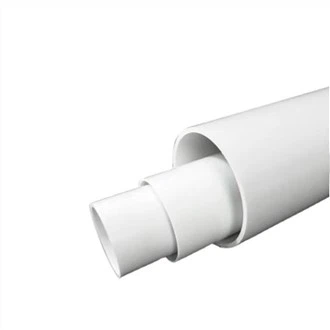
As a PVC pipe supplier, we offer a wide range of PVC pipes to meet different customer needs. Our products include 32 Inch Diameter Pvc Pipe, which is suitable for large - scale water supply and drainage projects. The large diameter allows for high - volume water flow, and the PVC material ensures durability and corrosion resistance.
We also have Plastic Pvc Pipe 600mm, which is a popular choice for industrial applications. The 600mm size provides a good balance between capacity and manageability, and it can be easily installed using our recommended joining methods.
For electrical applications, our Plastic Electrical Pvc Pipe is an ideal solution. It offers excellent insulation properties and is easy to install in electrical wiring systems.
Conclusion
In conclusion, PVC pipes are indeed easy to install compared to other types of pipes. Their lightweight nature, simple joining methods, versatility, and cost - effectiveness make them a preferred choice for many construction and plumbing projects. Whether you are a professional contractor or a DIY enthusiast, PVC pipes can save you time, money, and effort during the installation process.
If you are interested in our PVC pipe products or have any questions about installation, please feel free to contact us. We are always ready to provide you with professional advice and high - quality products for your projects.
References
- "Handbook of Plastic Pipe Engineering" by Brian D. F. Crosby
- "Plumbing Engineering: Design and Installation" by Joseph L. Corso
- "Pipe Fitting Handbook" by James D. Whitman