Are PVC pipes affected by soil movement? This is a question that often comes up in the construction and plumbing industries. As a PVC pipe supplier, I've encountered this query numerous times from customers concerned about the durability and performance of PVC pipes in various soil conditions. In this blog post, I'll delve into the science behind how PVC pipes interact with soil movement, the factors that influence their response, and how to ensure their long - term reliability.
Understanding PVC Pipes
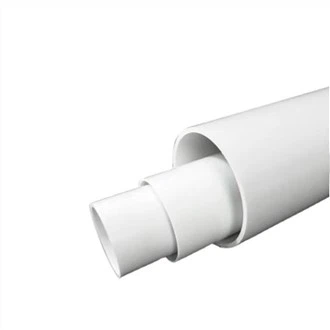
PVC, or polyvinyl chloride, is a widely used thermoplastic polymer known for its strength, durability, and chemical resistance. PVC pipes are commonly used in a variety of applications, including water supply, drainage, and Underground Pvc Pipe Irrigation. They come in different sizes and thicknesses to meet the requirements of different projects. For instance, Plastic Pvc Pipe 600mm is often used for large - scale water distribution systems, while smaller diameter pipes are used for residential plumbing.
Soil Movement: Types and Causes
Soil movement can occur due to several reasons. One of the most common causes is soil settlement. When the soil beneath a structure or a pipe is not uniformly compacted, it can settle over time. This can be due to natural processes such as the consolidation of soft soils or human - induced activities like excavation and backfilling.
Another cause of soil movement is expansive soils. These soils, which are rich in clay minerals, have the ability to absorb and release water. When they absorb water, they expand, and when they dry out, they shrink. This cycle of expansion and contraction can exert significant forces on underground pipes.
Earthquakes are also a major cause of soil movement. During an earthquake, the ground shakes, causing the soil to move in different directions. This sudden and violent movement can put extreme stress on underground infrastructure, including PVC pipes.
How PVC Pipes Respond to Soil Movement
PVC pipes have certain properties that allow them to withstand soil movement to a certain extent. One of the key properties is their flexibility. PVC pipes can bend slightly without breaking, which helps them adapt to minor soil movements. This flexibility is due to the molecular structure of PVC, which allows the polymer chains to slide past each other to a limited degree.
However, there are limits to the amount of soil movement that PVC pipes can tolerate. If the soil movement is too severe, the pipes can experience excessive stress, leading to cracks, leaks, or even complete failure. For example, in areas with highly expansive soils, the repeated expansion and contraction can cause the pipes to deform over time. If the deformation is too great, it can compromise the integrity of the pipe joints and lead to water leakage.
Factors Influencing the Impact of Soil Movement on PVC Pipes
Several factors influence how PVC pipes are affected by soil movement.
Pipe Wall Thickness
Thicker - walled PVC pipes generally have greater resistance to soil movement. A thicker wall provides more strength and stiffness, which helps the pipe withstand the forces exerted by the moving soil. For larger diameter pipes like the Large 12 Inch Diameter Pvc Pipe, a thicker wall is often necessary to ensure their stability in the face of soil movement.


Bedding and Backfill
The way PVC pipes are installed also plays a crucial role. Proper bedding and backfill materials can help distribute the forces exerted by the soil evenly along the pipe. A well - compacted bedding layer provides a stable foundation for the pipe, while a suitable backfill material can help cushion the pipe from soil movement. For example, using granular materials like sand or gravel as backfill can reduce the pressure on the pipe compared to using cohesive soils.
Pipe Joints
The type of pipe joints used can also affect the pipe's ability to withstand soil movement. Flexible joints, such as rubber - gasketed joints, allow for some movement between pipe sections. This can help prevent the transfer of stress from one section of the pipe to another, reducing the risk of cracking or failure.
Mitigating the Effects of Soil Movement on PVC Pipes
To ensure the long - term performance of PVC pipes in areas prone to soil movement, several mitigation measures can be taken.
Site Investigation
Before installing PVC pipes, a thorough site investigation should be conducted to assess the soil conditions. This includes determining the type of soil, its moisture content, and its potential for movement. Based on the results of the investigation, appropriate design and installation measures can be taken.
Pipe Selection
Selecting the right PVC pipe for the specific application and soil conditions is crucial. Consider factors such as pipe diameter, wall thickness, and joint type. In areas with high soil movement potential, pipes with thicker walls and flexible joints may be more suitable.
Installation Techniques
Proper installation techniques are essential. This includes ensuring that the pipe is installed on a well - prepared bedding layer and that the backfill material is carefully selected and compacted. It's also important to follow the manufacturer's installation guidelines to ensure the integrity of the pipe joints.
Case Studies
Let's look at a few case studies to illustrate how PVC pipes have performed in the face of soil movement.
In a residential area with expansive soils, a PVC pipe system was installed for underground irrigation. The pipes were installed without proper consideration of the soil conditions. Over time, the repeated expansion and contraction of the soil caused the pipes to develop cracks, leading to water leakage. After the problem was identified, the pipes were replaced with thicker - walled PVC pipes, and a proper bedding and backfill system was installed. Since then, the new pipe system has been performing well, with no signs of further damage.
In another case, a large - scale water distribution system using Plastic Pvc Pipe 600mm was installed in an area prone to minor soil settlement. The pipes were installed with flexible joints and a well - compacted bedding layer. Despite some soil settlement over time, the pipes have remained intact, thanks to their flexibility and the proper installation techniques.
Conclusion
In conclusion, PVC pipes can be affected by soil movement, but their response depends on various factors such as pipe properties, installation methods, and soil conditions. While PVC pipes have some inherent flexibility that allows them to withstand minor soil movement, proper design, installation, and maintenance are essential to ensure their long - term performance in areas with significant soil movement.
If you're planning a project that involves PVC pipes, it's important to consult with a professional to assess the soil conditions and determine the most appropriate pipe selection and installation methods. As a PVC pipe supplier, I'm here to provide you with high - quality PVC pipes and expert advice to help you achieve a successful project. Whether you need Plastic Pvc Pipe 600mm, Large 12 Inch Diameter Pvc Pipe, or pipes for Underground Pvc Pipe Irrigation, I can offer you the right solutions. Contact me today to discuss your project requirements and start the procurement process.
References
- ASTM International. (20XX). Standard specifications for PVC pipes. ASTM DXXXX.
- American Water Works Association. (20XX). Water distribution system design and installation guidelines.
- National Association of Home Builders. (20XX). Residential plumbing installation best practices.