Are PVC Garden Hoses Resistant to Chemicals?
As a reputable supplier of PVC garden hoses, I often get asked about the chemical resistance of our products. It's a crucial question, especially for customers who plan to use the hoses in various gardening scenarios where they might come into contact with different chemicals. In this blog post, I'll delve into the topic and provide you with a comprehensive understanding of how PVC garden hoses fare against chemicals.
Understanding PVC
Polyvinyl chloride (PVC) is a widely used synthetic plastic polymer. It's known for its durability, flexibility, and relatively low cost, which makes it an ideal material for garden hoses. PVC garden hoses are lightweight, easy to handle, and can withstand a certain amount of wear and tear. However, when it comes to chemical resistance, several factors need to be considered.
Chemical Resistance of PVC Garden Hoses
The chemical resistance of PVC garden hoses depends on the type of chemicals they encounter. Generally, PVC has good resistance to many common chemicals found in gardening, such as water, mild detergents, and some fertilizers. Water is the most common substance that PVC garden hoses come into contact with, and PVC is highly resistant to water. It doesn't absorb water, which means it won't swell or degrade over time due to water exposure.
Mild detergents are often used to clean the hoses or to remove dirt and debris from plants. PVC can withstand the mild chemical composition of these detergents without significant damage. Fertilizers, which are essential for plant growth, also usually pose no major threat to PVC garden hoses. Most fertilizers are water - soluble salts, and PVC can resist their corrosive effects to a certain extent.
However, PVC garden hoses are not resistant to all chemicals. Strong solvents, such as acetone, benzene, and some types of pesticides, can have a detrimental effect on PVC. These chemicals can dissolve or soften the PVC material, causing it to lose its structural integrity. For example, if a PVC garden hose comes into contact with a high - concentration pesticide containing solvents, the hose may start to crack, leak, or even break apart.


Factors Affecting Chemical Resistance
Several factors can influence the chemical resistance of PVC garden hoses. The concentration of the chemical is a significant factor. Higher concentrations of chemicals are more likely to cause damage to the PVC material. For instance, a low - concentration fertilizer solution may not harm the hose, but a highly concentrated solution could potentially have a negative impact.
The duration of exposure also matters. Prolonged exposure to a chemical, even a relatively mild one, can increase the likelihood of damage. If a PVC garden hose is left in contact with a detergent solution for an extended period, it may start to show signs of wear. Temperature is another factor. Higher temperatures can accelerate the chemical reaction between the PVC and the chemical, making the hose more vulnerable to damage.
Our PVC Garden Hoses
At our company, we take great care in manufacturing PVC garden hoses that offer good chemical resistance within the normal range of gardening applications. Our Garden Hose To Pvc is designed to withstand the common chemicals used in gardening, such as water and mild fertilizers. It is made from high - quality PVC materials that have been tested for their chemical resistance properties.
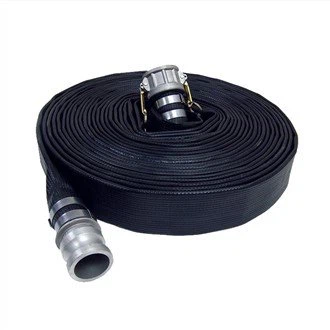
Our Pvc Green Braided Hose Pipe is another product that provides reliable performance. The braided design not only adds strength to the hose but also enhances its chemical resistance to some extent. The braiding acts as a protective layer, reducing the direct contact between the PVC and the chemicals.
The PVC 15 ft Garden Hose is a popular choice among our customers. It is suitable for small to medium - sized gardens and can handle the typical chemical exposure in such settings. We ensure that all our hoses are manufactured to meet strict quality standards, and we provide detailed usage instructions to help our customers avoid exposing the hoses to harmful chemicals.
Precautions for Using PVC Garden Hoses with Chemicals
To ensure the longevity of your PVC garden hose and to prevent chemical damage, it's important to take some precautions. First, always read the labels of any chemicals you plan to use in your garden. If a chemical is known to be harmful to PVC, avoid using it in combination with your PVC garden hose.
When using fertilizers or pesticides, dilute them to the recommended concentration. This reduces the risk of chemical damage to the hose. After using the hose with chemicals, rinse it thoroughly with clean water. This helps to remove any residual chemicals that could potentially cause damage over time.
Store the hoses in a cool, dry place away from direct sunlight and chemicals. Sunlight can also degrade PVC over time, and storing the hoses in a proper environment can extend their lifespan.
Conclusion
In conclusion, PVC garden hoses have a certain level of chemical resistance. They are suitable for normal gardening applications involving water, mild detergents, and some fertilizers. However, they are not resistant to all chemicals, especially strong solvents and some pesticides. As a PVC garden hose supplier, we strive to provide high - quality products that offer good chemical resistance within the expected range of use.
If you are interested in purchasing our PVC garden hoses or have any questions about their chemical resistance, please feel free to contact us. We are always ready to assist you in finding the right hose for your gardening needs and to provide you with detailed information about chemical compatibility. Our team of experts can offer guidance on how to use and maintain your PVC garden hoses to ensure their long - term performance.
References
- "Polyvinyl Chloride (PVC) Plastics: An Overview" by the American Chemistry Council
- "Chemical Resistance of Plastics" - a technical report from a leading plastics research institute.