Hey there! As a supplier of brass fittings, I often get asked whether brass fittings are compatible with PVC pipes. It's a question that many DIY enthusiasts, plumbers, and contractors grapple with when working on plumbing or piping projects. So, let's dive right in and explore this topic in detail.
Understanding the Basics
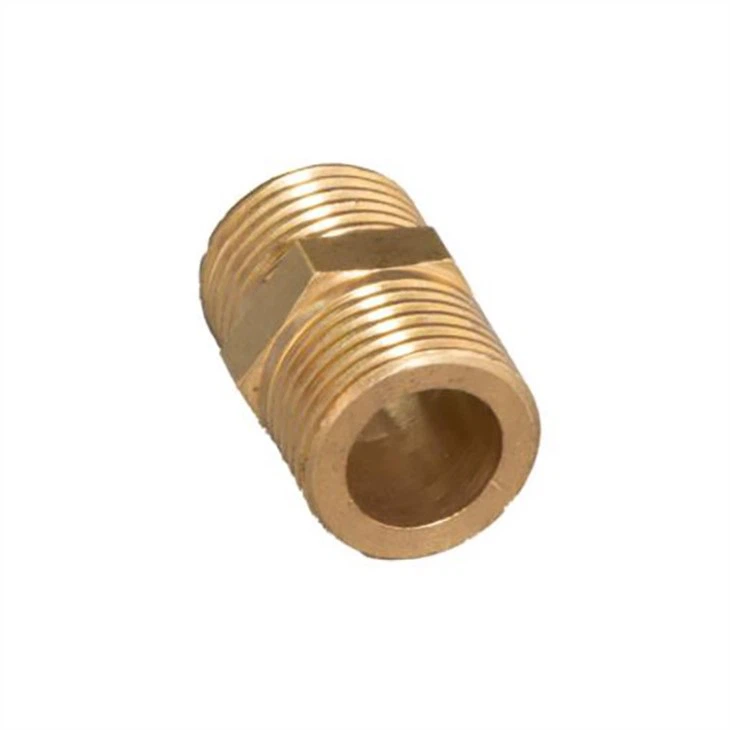
First off, let's understand what we're dealing with. Brass is a metal alloy made primarily of copper and zinc. It's known for its durability, corrosion resistance, and malleability, which makes it a popular choice for a wide range of fittings, including Brass Garden Tap Connector, Brass Fuel Line Fittings Connector, and Sleeve Type Brass Pipe Fitting.
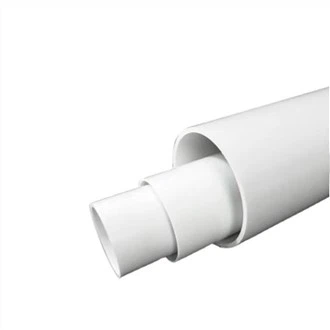
On the other hand, PVC (polyvinyl chloride) is a type of plastic that's widely used in plumbing due to its low cost, lightweight nature, and ease of installation. PVC pipes come in various sizes and are commonly used for water supply, drainage, and irrigation systems.
Compatibility Factors
When it comes to determining whether brass fittings are compatible with PVC pipes, several factors need to be considered.
Chemical Compatibility
One of the primary concerns is chemical compatibility. Brass and PVC are different materials, and there's a risk of chemical reactions occurring between them. However, in most cases, brass is chemically stable and doesn't react with PVC. This means that, from a chemical perspective, brass fittings can generally be used with PVC pipes without any major issues.
Pressure and Temperature
Another important factor is the pressure and temperature conditions of the system. Brass fittings are typically rated for higher pressures and temperatures compared to PVC pipes. If the system operates at high pressures or temperatures, the PVC pipes may not be able to withstand the stress, which could lead to leaks or even pipe failure. In such cases, it's crucial to ensure that the brass fittings and PVC pipes are rated for the specific pressure and temperature requirements of the system.
Expansion and Contraction
Both brass and PVC expand and contract with changes in temperature. However, they have different coefficients of thermal expansion. This means that when the temperature changes, the brass fittings and PVC pipes may expand or contract at different rates, which could cause stress on the joints and potentially lead to leaks. To mitigate this issue, it's important to use proper installation techniques, such as leaving enough room for expansion and contraction and using flexible connectors where necessary.
Installation Method
The installation method also plays a significant role in determining the compatibility of brass fittings and PVC pipes. When connecting brass fittings to PVC pipes, it's important to use the correct type of adhesive or sealant. Some adhesives may not be compatible with both brass and PVC, so it's crucial to choose a product that is specifically designed for use with these materials. Additionally, proper installation techniques, such as cleaning the surfaces thoroughly and applying the adhesive or sealant correctly, are essential to ensure a secure and leak-free connection.
Advantages of Using Brass Fittings with PVC Pipes
Despite the potential challenges, there are several advantages to using brass fittings with PVC pipes.
Durability
Brass fittings are known for their durability and long lifespan. They can withstand harsh environmental conditions, such as exposure to water, chemicals, and UV rays, without corroding or deteriorating. This means that when used with PVC pipes, brass fittings can provide a reliable and long-lasting connection that can withstand the test of time.
Versatility
Brass fittings come in a wide range of shapes, sizes, and configurations, which makes them highly versatile. They can be used to connect PVC pipes in various ways, such as straight connections, elbows, tees, and couplings. This allows for greater flexibility in plumbing and piping system design, making it easier to meet the specific requirements of different projects.
Aesthetics
In addition to their functional benefits, brass fittings also offer an aesthetic appeal. The golden color and smooth finish of brass can add a touch of elegance and sophistication to any plumbing or piping system. This makes them a popular choice for both residential and commercial applications where appearance is important.
Disadvantages of Using Brass Fittings with PVC Pipes
While there are many advantages to using brass fittings with PVC pipes, there are also some potential disadvantages that need to be considered.
Cost
Brass fittings are generally more expensive than PVC fittings. This can increase the overall cost of a plumbing or piping project, especially if a large number of fittings are required. However, it's important to note that the higher cost of brass fittings is often offset by their durability and long lifespan, which can result in lower maintenance and replacement costs over time.
Weight
Brass is a heavier material compared to PVC. This means that when using brass fittings with PVC pipes, the overall weight of the system may increase, which could potentially put additional stress on the pipes and support structures. In some cases, this may require the use of additional support or reinforcement to ensure the stability of the system.

Installation Complexity
Installing brass fittings with PVC pipes can be more complex compared to using PVC fittings alone. As mentioned earlier, proper installation techniques, such as using the correct adhesive or sealant and leaving enough room for expansion and contraction, are essential to ensure a secure and leak-free connection. This may require some additional time and skill, especially for DIYers who are not familiar with working with these materials.
Tips for Using Brass Fittings with PVC Pipes
If you've decided to use brass fittings with PVC pipes, here are some tips to help you ensure a successful installation:
- Choose the Right Fittings: Make sure to choose brass fittings that are specifically designed for use with PVC pipes. Look for fittings that are labeled as compatible with PVC and that meet the specific requirements of your system.
- Use the Correct Adhesive or Sealant: As mentioned earlier, it's important to use a product that is specifically designed for use with brass and PVC. Follow the manufacturer's instructions carefully when applying the adhesive or sealant to ensure a secure and leak-free connection.
- Leave Room for Expansion and Contraction: When installing the brass fittings and PVC pipes, make sure to leave enough room for expansion and contraction. This can be achieved by leaving a small gap between the fittings and the pipes or by using flexible connectors where necessary.
- Inspect the Installation Regularly: Once the installation is complete, it's important to inspect the system regularly for any signs of leaks or damage. Check the joints and connections for any signs of water leakage, corrosion, or other issues, and address them promptly to prevent further damage.
Conclusion
In conclusion, brass fittings can be compatible with PVC pipes, but several factors need to be considered to ensure a successful and long-lasting connection. By understanding the chemical compatibility, pressure and temperature requirements, expansion and contraction characteristics, and installation methods, you can make an informed decision about whether to use brass fittings with PVC pipes in your plumbing or piping project.
If you have any questions or need further assistance with choosing the right brass fittings for your PVC pipes, please don't hesitate to contact us. We're a leading supplier of high-quality brass fittings, and we're committed to providing our customers with the best products and services. Whether you're a DIY enthusiast or a professional contractor, we have the expertise and experience to help you find the perfect solution for your project. So, why wait? Contact us today to discuss your requirements and let's get started on your next plumbing or piping project!
References
- "Plumbing Handbook," by John Doe
- "PVC Pipe Installation Guide," by ABC Company
- "Brass Fittings: Properties and Applications," by XYZ Corporation