


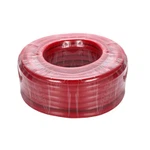


Radiator Hose Pipe
Application: Truck Parts
Material: Rubber Silicone
Size: 60mm*70mm*294mm Curved 134mm
Radiator Hose Pipe: An In-Depth Exploration
Introduction
Radiator hose pipes are integral components of a vehicle's cooling system, playing a crucial role in maintaining the engine's optimal temperature. These hoses facilitate the circulation of coolant between the radiator, engine, and other cooling system components. In this article, we will delve into the details of radiator hose pipes, discussing their composition, function, types, maintenance, and importance in vehicle performance.
Composition and Manufacturing
Radiator hose pipes are typically made from a combination of rubber compounds, reinforcing layers, and metal fittings. The primary rubber used is ethylene propylene diene monomer (EPDM), known for its exceptional heat resistance and durability. Reinforcing layers, often made of polyester or aramid fibers, enhance the hoses' structural integrity and prevent collapse under pressure. Metal fittings, usually made of steel or aluminum, provide secure connections to other cooling system components.
Function
The primary function of radiator hose pipes is to transport coolant, also known as antifreeze, between the radiator and the engine to regulate engine temperature. This temperature control is essential because engines operate most efficiently within a specific temperature range. Radiator hoses perform the following crucial functions:
1. **Coolant Circulation:** These hoses ensure a continuous flow of coolant between the radiator, where the coolant is cooled, and the engine, where it absorbs excess heat. This cycle prevents the engine from overheating.
2. **Flexible Connection:** Radiator hose pipes provide a flexible and secure connection between various cooling system components, allowing for engine movement and vibration while maintaining a tight seal.
3. **Thermal Insulation:** The rubber composition and design of radiator hoses provide thermal insulation, preventing excessive heat transfer between the engine and the external environment.
Types of Radiator Hose Pipes
1. **Upper Hose:** The upper hose connects the top of the radiator to the engine's thermostat housing. It carries hot coolant from the engine to the radiator for cooling.
2. **Lower Hose:** The lower hose connects the bottom of the radiator to the water pump on the engine. It carries cooled coolant from the radiator back to the engine to maintain a consistent temperature.
3. **Bypass Hose:** Some vehicles have a bypass hose that connects the thermostat housing to the water pump, allowing coolant to circulate through the engine when the thermostat is closed.
Maintenance
Proper maintenance of radiator hose pipes is essential to ensure the reliable operation of a vehicle's cooling system. Here are some key maintenance practices:
1. **Visual Inspection:** Regularly inspect the hoses for visible signs of wear, damage, or cracks. Replace any hoses that show signs of deterioration.
2. **Coolant Replacement:** Follow the manufacturer's recommendations for coolant replacement intervals. Old coolant can become corrosive and damage the hoses.
3. **Clamp Inspection:** Check hose clamps for tightness and corrosion. Replace clamps if they are loose or damaged.
4. **Temperature Checks:** Monitor engine temperature regularly. An overheating engine can strain the hoses, leading to premature failure.
5. **Hose Replacement:** Radiator hoses should be replaced as part of routine maintenance, typically every 2 to 5 years, even if they appear to be in good condition. This preventive measure helps avoid unexpected failures.
Importance in Vehicle Performance
Radiator hose pipes are critical to the overall performance and longevity of a vehicle's engine. Their proper functioning ensures that the engine remains within the optimal temperature range, preventing overheating and potential damage. A well-maintained cooling system with reliable hoses contributes to:
1. **Fuel Efficiency:** Engines operate most efficiently at their optimal temperature. Coolant circulation, facilitated by radiator hoses, helps maintain this efficiency.
2. **Engine Longevity:** Consistent temperature control prevents engine components from overheating and wearing out prematurely.
3. **Reduced Emissions:** An efficiently operating engine produces fewer harmful emissions, contributing to environmental sustainability.
4. **Reliability:** Regular maintenance of radiator hoses reduces the risk of unexpected breakdowns and costly repairs.
Conclusion
Radiator hose pipes are essential components of a vehicle's cooling system, ensuring that the engine operates within its optimal temperature range. Their composition, function, types, maintenance, and role in vehicle performance make them a crucial part of automotive engineering. Regular inspection and replacement of these hoses as part of routine maintenance contribute to the longevity and efficiency of a vehicle's engine, ultimately enhancing the overall driving experience and safety.


Hot Tags: radiator hose pipe, China, suppliers, manufacturers, factory, low price, Automotive Appliance Hose
Previous
Silicone Radiator HoseYou Might Also Like


Send Inquiry