

As a supplier of PVC garden hoses, I often get asked about the normal water pressure range for these hoses. Understanding the appropriate water pressure is crucial for ensuring the longevity and efficiency of your PVC garden hose. In this blog post, I'll delve into the details of what constitutes a normal water pressure range for PVC garden hoses, factors that can affect it, and how to manage it effectively.
Understanding Water Pressure
Water pressure is essentially the force at which water is pushed through a hose. It is typically measured in pounds per square inch (PSI). In a household setting, the water pressure can vary significantly depending on several factors, including the local water supply system, the elevation of your property, and the type of plumbing in your home.
For PVC garden hoses, the normal water pressure range generally falls between 40 to 80 PSI. This range is considered optimal for most gardening tasks, as it provides enough force to deliver water efficiently without putting excessive strain on the hose.

Why 40 - 80 PSI is Ideal
- Efficient Water Delivery: At a pressure within this range, water can flow smoothly through the hose and out of the nozzle. This ensures that you can water your plants effectively, whether you're using a simple spray nozzle or a more sophisticated watering system.
- Hose Durability: PVC garden hoses are designed to withstand a certain amount of pressure. Pressures within the 40 - 80 PSI range are well within the safe operating limits of most PVC hoses, reducing the risk of leaks, bursts, or other forms of damage.
- User Comfort: A pressure in this range also makes it comfortable for you to hold and maneuver the hose. Too high a pressure can make the hose difficult to control, while too low a pressure may result in a weak stream of water that is ineffective for watering.
Factors Affecting Water Pressure
Several factors can influence the water pressure in your PVC garden hose:
- Municipal Water Supply: The water pressure provided by your local water utility can vary. In some areas, the supply pressure may be naturally higher or lower than the ideal range for garden hoses. You can contact your water provider to find out the typical pressure in your area.
- Elevation: If your property is located at a higher elevation, the water pressure may be lower due to the effects of gravity. Conversely, if you're at a lower elevation, the pressure may be higher.
- Pipe Size and Length: The diameter and length of the pipes leading to your outdoor faucet can affect the water pressure. Smaller pipes or longer runs of pipe can cause a drop in pressure.
- Faucet and Nozzle Restrictions: A clogged or partially closed faucet or a nozzle with a small opening can also reduce the water pressure at the end of the hose.
How to Measure Water Pressure
If you're unsure about the water pressure in your garden hose, you can measure it using a pressure gauge. These gauges are relatively inexpensive and can be easily attached to your outdoor faucet. Simply turn on the water and read the pressure displayed on the gauge.
Managing Water Pressure
If the water pressure in your garden hose is outside the normal range, there are several steps you can take to adjust it:
- Pressure Regulator: Installing a pressure regulator on your outdoor faucet can help reduce the water pressure to a safe and optimal level. These devices are easy to install and can be adjusted to your desired pressure.
- Check for Blockages: Make sure that your faucet, hose, and nozzle are free from any blockages. A clogged nozzle or a kinked hose can cause a significant drop in pressure.
- Upgrade Your Plumbing: If you have consistently low or high water pressure, you may need to consider upgrading your plumbing system. This could involve replacing smaller pipes with larger ones or installing a booster pump to increase the pressure.
Our PVC Garden Hose Products
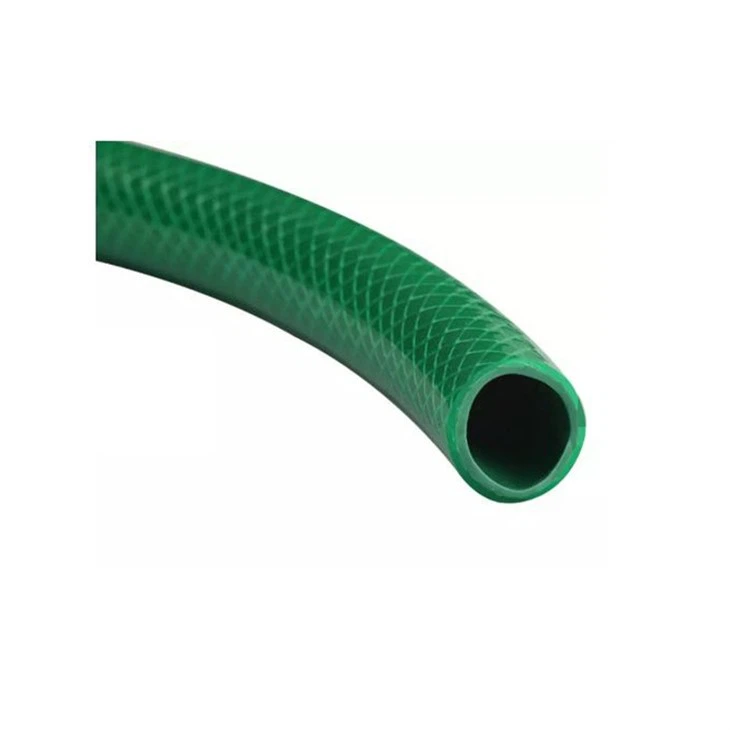
As a PVC garden hose supplier, we offer a wide range of products to meet your gardening needs. Our Braided Garden Pipe is a popular choice for its durability and flexibility. It can withstand the normal water pressure range and is suitable for a variety of gardening tasks.
Our PVC Garden Hose 1/2" is another excellent option. With its standard size, it provides a good balance between water flow and pressure, making it ideal for most home gardens.
For those who need to use their garden hose in cold weather, our PVC Heated Garden Hose is a great solution. It ensures that the water in the hose remains liquid, even in freezing temperatures, while maintaining the normal water pressure range.
Conclusion
Understanding the normal water pressure range for a PVC garden hose is essential for getting the most out of your gardening equipment. By keeping the pressure within the 40 - 80 PSI range, you can ensure efficient water delivery, prolong the life of your hose, and have a more comfortable watering experience.
If you have any questions about our PVC garden hoses or need advice on water pressure management, please don't hesitate to contact us. We're here to help you find the best solutions for your gardening needs. Whether you're a professional landscaper or a home gardener, we have the products and expertise to meet your requirements. Reach out to us to start a discussion about your PVC garden hose procurement and let's work together to make your gardening tasks easier and more enjoyable.
References
- "Understanding Water Pressure in Residential Plumbing" - Plumbing and Mechanical Magazine
- "PVC Pipe and Fittings: A Guide to Installation and Use" - Plastic Pipe and Fittings Association
