Hey there! As a Quick Fitting supplier, I often get asked about the noise level when using Quick Fittings in a system. It's a crucial question, especially for those who need a quiet and efficient operation. In this blog, I'll dive deep into this topic and share some insights based on my experience in the industry.
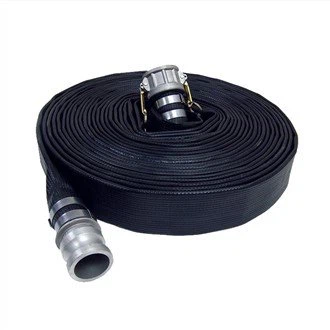
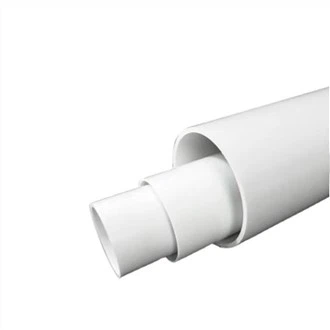
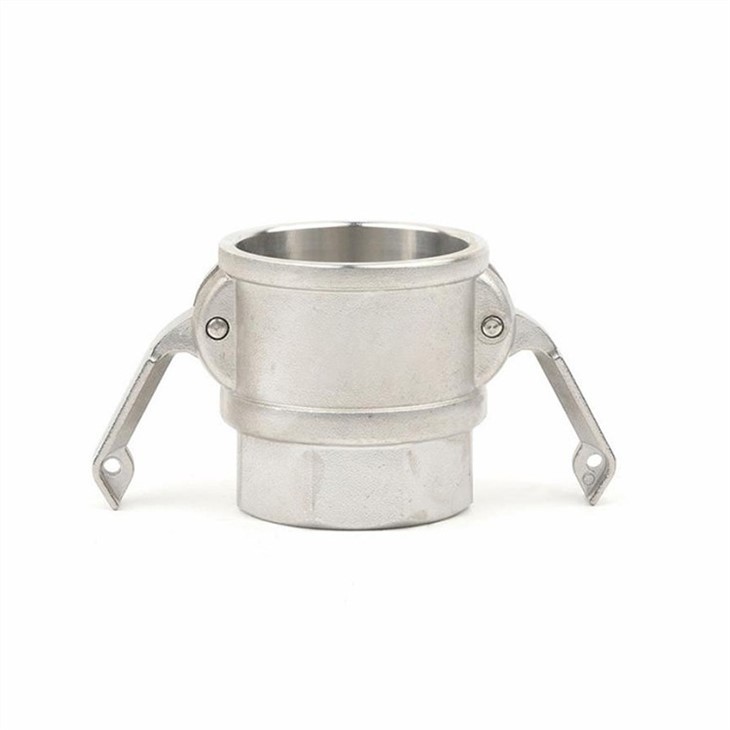
First off, let's understand what Quick Fittings are. Quick Fittings are connectors that allow for easy and rapid connection and disconnection of hoses, pipes, or other components in a system. They're super handy in various industries, from agriculture to manufacturing. You can check out our Quickly PVC Camlock Fittings and 2 Inch Layflat Hose Connector for some great examples of these fittings.
Now, when it comes to the noise level, several factors come into play. One of the main factors is the type of fluid or gas flowing through the system. For instance, if you're dealing with a high - pressure gas, it's likely to create more noise compared to a low - pressure liquid. High - velocity flows also tend to generate more noise. When the fluid or gas moves quickly through the fitting, it can cause turbulence, which in turn produces sound.
The design of the Quick Fitting itself can also have a significant impact on the noise level. Some fittings are designed with smooth internal surfaces to minimize turbulence. These types of fittings are generally quieter. On the other hand, fittings with rough or irregular internal surfaces can cause the fluid or gas to flow in a more chaotic manner, leading to increased noise.
Another aspect to consider is the material of the Quick Fitting. Different materials have different acoustic properties. For example, metal fittings might transmit sound more effectively than plastic ones. Plastic fittings can sometimes act as a bit of a sound insulator, reducing the overall noise level. However, this also depends on the quality and thickness of the plastic.
Let's talk about installation. If the Quick Fitting is not installed correctly, it can lead to leaks. Leaks can cause a hissing sound, which can be quite loud, especially in a large - scale system. A loose connection can also cause vibrations, which contribute to the noise. Make sure the fitting is tightened properly and that all seals are in good condition.
In some systems, the presence of valves near the Quick Fittings can affect the noise level. Valves can cause pressure fluctuations, and when these fluctuations interact with the fitting, it can result in additional noise. It's important to consider the placement and operation of valves in relation to the Quick Fittings.

To measure the noise level, you can use a sound level meter. This device can give you an accurate reading of the decibels (dB) in the area around the Quick Fitting. A normal conversation is usually around 60 dB, and a noisy factory environment can be over 90 dB. If the noise level from your Quick Fitting system is too high, it might be a sign of a problem that needs to be addressed.
If you're looking to reduce the noise level in your system, there are a few things you can do. First, choose high - quality Quick Fittings with a smooth internal design. As I mentioned earlier, these fittings are less likely to cause turbulence and thus produce less noise. You can also consider using vibration - dampening materials around the fittings. These materials can absorb some of the vibrations and reduce the noise transmission.
Another option is to install silencers or mufflers in the system. These devices are designed to reduce the noise produced by the flow of fluid or gas. They work by dissipating the energy of the sound waves, making the system quieter.
In some cases, you might need to adjust the flow rate or pressure in the system. Lowering the flow rate can reduce the velocity of the fluid or gas, which in turn can decrease the noise level. However, you need to make sure that this adjustment doesn't affect the performance of the system.
As a Quick Fitting supplier, I've seen many customers facing noise - related issues. And I'm here to help you find the best solutions. Whether you need advice on choosing the right fitting, installation tips, or noise - reduction strategies, I'm just a message away.
If you're in the market for Quick Fittings and want to ensure a quiet and efficient system, I encourage you to reach out. We have a wide range of products to meet your needs, and our team of experts can guide you through the selection process. Contact us to start a conversation about your Quick Fitting requirements, and let's work together to create a system that works for you.
References
- Industrial Fluid Handling Handbook
- Acoustics in Fluid Systems: A Practical Guide