

Hey there! As a PPR pipe supplier, I often get asked about the chemical stability of PPR pipes. So, I thought I'd sit down and write a blog post to share some insights on this topic.
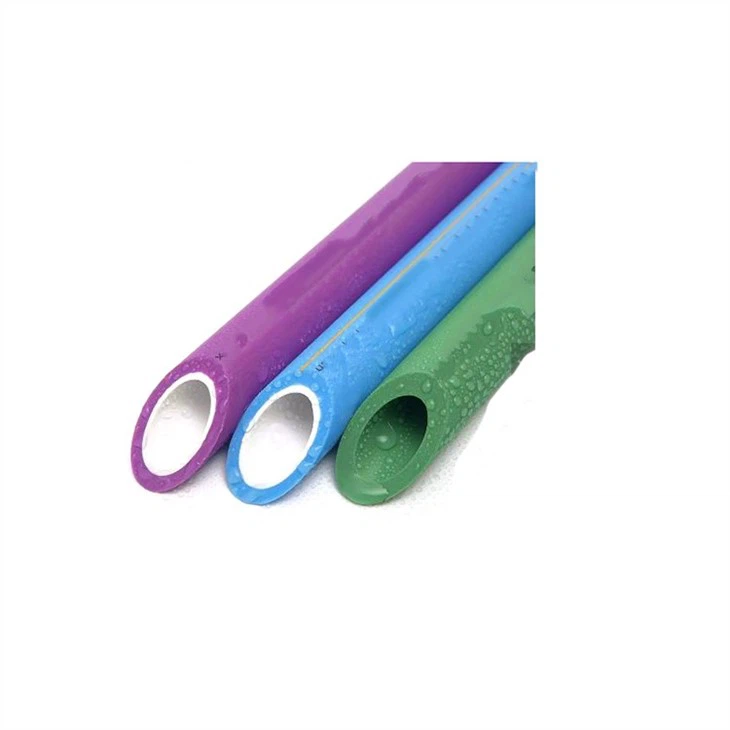
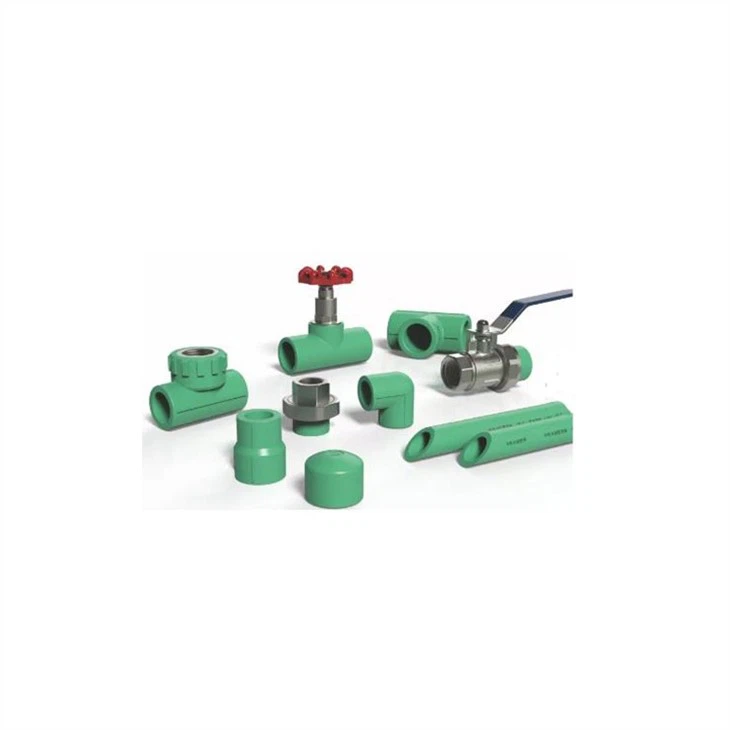
First off, let's talk about what PPR is. PPR stands for Random Copolymer Polypropylene. It's a type of plastic that's widely used in plumbing systems because of its excellent properties. PPR pipes are known for being lightweight, easy to install, and having a long service life. But one of the most important features is their chemical stability.
What Does Chemical Stability Mean?
Chemical stability refers to a material's ability to resist chemical reactions under normal conditions. In the context of PPR pipes, it means the pipes can withstand exposure to various chemicals without degrading, corroding, or losing their structural integrity. This is super important, especially when the pipes are used to transport different types of fluids.
Resistance to Common Chemicals
-
Acids and Bases: PPR pipes have good resistance to a wide range of acids and bases. For example, they can handle weak to moderately strong acids like acetic acid (found in vinegar) and citric acid. In the case of bases, they can resist solutions of sodium hydroxide (lye) within a certain concentration range. This resistance is due to the molecular structure of PPR. The long - chain polymer molecules are tightly bonded, making it difficult for acid or base molecules to break them down.
-
Oxidizing Agents: Oxidizing agents are substances that can cause oxidation, which often leads to corrosion. PPR pipes show a reasonable level of resistance to mild oxidizing agents such as hydrogen peroxide at low concentrations. However, high - strength oxidizing agents can potentially damage the pipes over time.
-
Organic Solvents: When it comes to organic solvents, PPR pipes have limited resistance. Solvents like acetone, benzene, and toluene can swell or even dissolve PPR pipes. So, it's crucial to avoid using PPR pipes in applications where they might come into contact with these solvents.
Factors Affecting Chemical Stability
- Temperature: Temperature plays a significant role in the chemical stability of PPR pipes. At higher temperatures, the molecular motion of both the PPR polymer and the chemicals it's in contact with increases. This can speed up chemical reactions and reduce the pipe's resistance. For example, a PPR pipe that can resist a certain chemical at room temperature might start to degrade when exposed to the same chemical at an elevated temperature.
- Concentration of Chemicals: The concentration of the chemicals also matters. A low - concentration solution of a chemical might not have a significant impact on the PPR pipe, but as the concentration increases, the risk of chemical attack rises. For instance, a weak solution of hydrochloric acid might not affect the pipe, but a concentrated solution can cause corrosion.
- Exposure Time: The longer the PPR pipe is exposed to a chemical, the greater the chance of chemical degradation. Even if the chemical is relatively mild, long - term exposure can lead to cumulative damage.
Applications Based on Chemical Stability
Thanks to their chemical stability, PPR pipes are used in a variety of applications:
- Domestic Water Supply: In homes, PPR pipes are a popular choice for water supply systems. They can handle the chemicals commonly found in tap water, such as chlorine (used for disinfection). The pipes won't react with the water or the additives, ensuring clean and safe water delivery.
- Industrial Water Systems: In some industrial settings where the water contains mild chemicals, PPR pipes can be used. For example, in cooling water systems where the water might have some anti - scale or anti - corrosion additives, PPR pipes can maintain their integrity.
If you're interested in learning more about our PPR pipes, you can check out these links: Plumbers Ppr Pipe, Plastic Pipe Polypropylene, and Plastic Pipe Ppr.
Why Choose Our PPR Pipes?
As a PPR pipe supplier, we take pride in offering high - quality pipes with excellent chemical stability. Our pipes are manufactured using the latest technology and strict quality control measures. We ensure that each pipe meets the industry standards for chemical resistance, so you can trust them for your plumbing needs.
Whether you're a plumber looking for reliable pipes for your projects or a homeowner planning a plumbing upgrade, our PPR pipes are a great choice. If you're interested in purchasing our PPR pipes or have any questions about their chemical stability or other properties, don't hesitate to get in touch. We're here to help you make the right decision for your plumbing system.
References
- "Plastic Pipes Handbook" - This comprehensive handbook provides in - depth information about different types of plastic pipes, including PPR, and their chemical properties.
- Research papers on polymer science related to the chemical stability of polypropylene copolymers. These papers offer detailed studies on the molecular mechanisms behind the chemical resistance of PPR.
