Hey there! As an LPG hose supplier, I've seen my fair share of worn - out hoses. LPG hoses are crucial components in various applications, from industrial settings to residential use. They're responsible for safely transporting liquefied petroleum gas from one point to another. But like any other piece of equipment, they don't last forever. Here are some signs that your LPG hose might be on its last legs.
First off, let's talk about visible damage. One of the most obvious signs is cracks. If you notice cracks on the outer surface of the hose, that's a major red flag. Cracks can develop due to a variety of reasons, such as exposure to extreme temperatures, UV rays, or just plain old wear and tear. These cracks can start small, but over time, they can grow and eventually lead to gas leaks. And as we all know, LPG is highly flammable, so a gas leak is a serious safety hazard.
Another form of visible damage is cuts. Sharp objects can accidentally cut into the hose, compromising its integrity. Even a small cut can allow gas to seep out, and if it's not detected and fixed promptly, it can pose a significant risk. You should also keep an eye out for abrasions. When the hose rubs against rough surfaces repeatedly, it can wear down the outer layer. This not only weakens the hose but also makes it more susceptible to further damage.
Apart from visible damage, changes in the hose's flexibility can also indicate wear. A new LPG hose is usually quite flexible, which allows it to be bent and maneuvered easily. However, as it ages, it may become stiff. This stiffness is often a result of the materials in the hose breaking down over time. When a hose is too stiff, it can be more prone to cracking when bent or moved. On the other hand, if the hose becomes overly soft or spongy, that's also a bad sign. This could mean that the internal structure of the hose has been damaged, and it might not be able to withstand the pressure of the gas flowing through it.
Discoloration is another sign to watch for. If you notice that the hose has changed color, especially if it's turned a darker shade, it could be due to exposure to heat, chemicals, or other environmental factors. Discoloration can be an indication that the hose's materials are deteriorating, which can lead to a loss of strength and durability.
Now, let's talk about smell. If you detect a faint odor of gas around the hose, that's a clear sign that there might be a leak. LPG has a distinct smell added to it for safety reasons, so if you can smell it, it means that gas is escaping. Even a small leak can be dangerous, as LPG can accumulate in an enclosed space and create an explosive atmosphere.

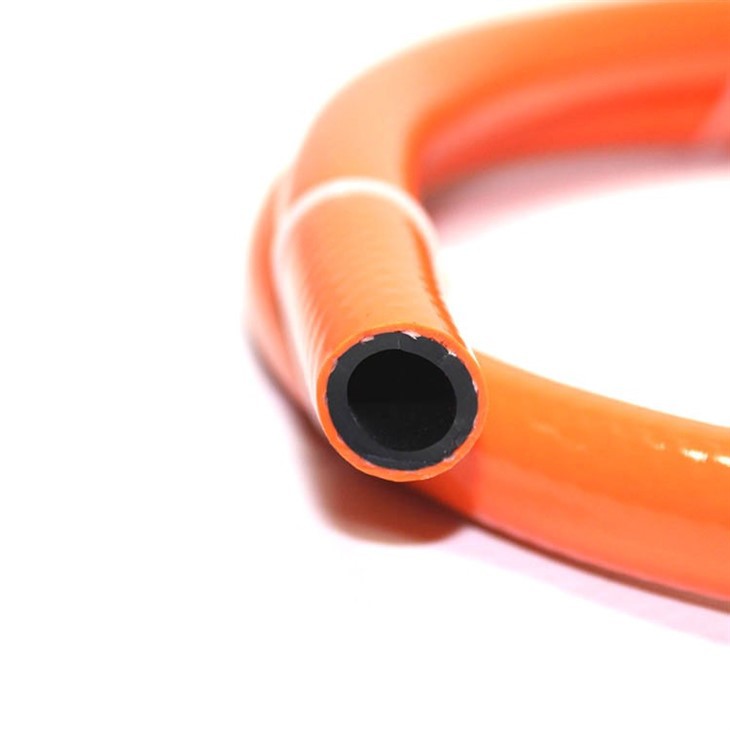
In addition to these signs, you should also pay attention to the fittings. The fittings are the parts that connect the hose to the gas source and the appliance. If the fittings are loose, corroded, or damaged, it can cause gas leaks. You should regularly check the fittings to make sure they're tight and in good condition.
So, what should you do if you notice any of these signs? Well, the first thing is to stop using the hose immediately. Don't take any chances with safety. Then, you should replace the hose as soon as possible. At our company, we offer a wide range of high - quality LPG hoses, such as the Lpg Gas Connector Hose, Propane Lpg Gas Hose, and Lpg/propane Gas Hose. These hoses are designed to meet the highest safety standards and are built to last.
Regular maintenance and inspection are key to ensuring the safety and longevity of your LPG hoses. You should inspect your hoses at least once a month, especially if they're in constant use. Look for the signs we've discussed, and if you're not sure whether a hose is still safe to use, it's better to err on the side of caution and replace it.
Investing in a good quality LPG hose is always a smart move. It might cost a bit more upfront, but it can save you a lot of headaches and potential safety risks in the long run. Our hoses are made from the best materials and are rigorously tested to ensure their quality and performance.
If you're in the market for a new LPG hose or have any questions about the signs of a worn - out hose, don't hesitate to get in touch with us. We're here to help you make the right choice for your needs. Whether you're a homeowner looking for a hose for your barbecue or an industrial client in need of hoses for large - scale operations, we've got you covered.
In conclusion, being aware of the signs of a worn - out LPG hose is crucial for safety. By regularly inspecting your hoses and replacing them when necessary, you can prevent gas leaks and ensure the smooth and safe operation of your LPG systems. So, keep an eye out for those cracks, changes in flexibility, discoloration, and any signs of gas leaks. And remember, when it comes to LPG hoses, safety should always be your top priority.
References:
- Industry standards for LPG hoses
- Manufacturer's guidelines for LPG hose maintenance and inspection