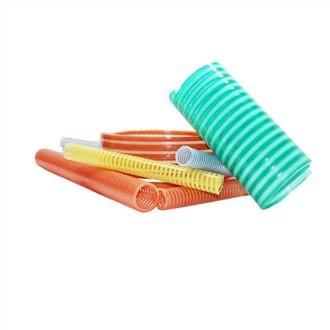
Hey there! I'm a supplier of Layflat Hoses, and today I wanna chat about how to transport these hoses properly. Layflat hoses are super useful in many industries, like agriculture, construction, and firefighting. But getting them from point A to point B can be a bit tricky if you don't know the right methods.
First off, let's talk about the prep work. Before you even think about loading up the hoses, you gotta make sure they're in good condition. Check for any signs of damage, like cuts, holes, or weak spots. If you find any issues, it's better to fix them or replace the hose before transportation. This'll save you a lot of headaches down the road.


Now, when it comes to packing the hoses, there are a few different ways to go about it. One common method is to coil the hoses. Start by laying the hose out flat and then begin coiling it in a neat, even manner. Make sure the coils aren't too tight or too loose. A tight coil can damage the hose, while a loose one might unravel during transport. You can use some straps or ties to keep the coils in place.
Another option is to fold the hoses. This is especially useful for longer hoses. Fold the hose back and forth in a zigzag pattern. Just like with coiling, you want to make sure the folds are even and not too sharp. Sharp folds can cause kinks in the hose, which can affect its performance later on.
Once the hoses are packed up, it's time to think about the transportation vehicle. The type of vehicle you choose depends on the size and quantity of the hoses you're transporting. For smaller orders, a pickup truck or a van might be sufficient. But for larger shipments, you'll probably need a flatbed truck or a trailer.
When loading the hoses onto the vehicle, be careful not to stack them too high. A tall stack can make the load unstable and increase the risk of the hoses falling off during transit. You also want to distribute the weight evenly across the vehicle. This helps with the vehicle's handling and reduces the wear and tear on the tires.
If you're using a flatbed truck or a trailer, you can secure the hoses with ropes or straps. Make sure the ropes or straps are tight enough to hold the hoses in place but not so tight that they damage the hoses. You can also use some padding, like foam or blankets, to protect the hoses from scratches and dents.
Now, let's talk about some special considerations for different types of Layflat Hoses. For example, 30 Inch Diameter Pvc Pipe is quite large and heavy. You'll need to use heavy-duty equipment to load and transport it. You might also need to get some special permits for transporting such large items.
PVC 4inc Layflay Hose is a bit more flexible and lightweight. But you still need to handle it with care. It's a good idea to keep it away from sharp objects during transport to prevent any punctures.
2 Inch Braided Vinyl Tubing is another type of Layflat Hose that requires special attention. The braided design makes it more durable, but it can also be more prone to tangling. So, when packing and transporting this type of hose, make sure to keep it separate from other hoses to avoid tangles.
During the journey, it's important to check on the hoses regularly. Stop every few hours to make sure the load is still secure and the hoses haven't been damaged. If you notice any issues, take the necessary steps to fix them right away.
Once the hoses reach their destination, unload them carefully. Don't just throw them off the vehicle. Gently remove the ropes or straps and then lower the hoses to the ground. Inspect the hoses again to make sure they arrived in good condition.
In conclusion, transporting Layflat Hoses requires careful planning and attention to detail. By following these tips, you can ensure that your hoses arrive at their destination safely and in good working condition.
If you're in the market for high-quality Layflat Hoses, I'd love to chat with you. Whether you have questions about transportation or just want to place an order, don't hesitate to reach out. We're here to provide you with the best products and the most reliable service.
References:
- Industry best practices for hose transportation
- Manufacturer's guidelines for Layflat Hose handling