Galvanic corrosion is a significant concern in steel fitting assemblies, especially when different metals come into contact. As a steel fitting supplier, I've witnessed firsthand the detrimental effects of galvanic corrosion on the performance and longevity of our products. In this blog, I'll share some effective strategies to prevent galvanic corrosion between different metals in steel fitting assemblies.


Understanding Galvanic Corrosion
Before we delve into prevention methods, it's essential to understand what galvanic corrosion is. Galvanic corrosion occurs when two different metals are in electrical contact in the presence of an electrolyte, such as water or moisture. The more reactive metal (anode) corrodes preferentially, while the less reactive metal (cathode) remains relatively protected. This process can lead to the deterioration of the anode metal, compromising the integrity of the steel fitting assembly.
Factors Affecting Galvanic Corrosion
Several factors influence the rate and severity of galvanic corrosion in steel fitting assemblies:
- Galvanic Series: The relative position of the two metals in the galvanic series determines the potential for corrosion. The greater the difference in their positions, the higher the likelihood of galvanic corrosion.
- Surface Area Ratio: The ratio of the anode to cathode surface area also plays a crucial role. A larger cathode surface area relative to the anode can accelerate the corrosion rate.
- Electrolyte Conductivity: The conductivity of the electrolyte affects the flow of electrical current between the two metals. Higher conductivity increases the corrosion rate.
- Environmental Conditions: Factors such as temperature, humidity, and the presence of contaminants in the environment can also impact galvanic corrosion.
Prevention Strategies
Now that we understand the causes and factors affecting galvanic corrosion, let's explore some effective prevention strategies:
- Material Selection: Choose metals that are close together in the galvanic series to minimize the potential for corrosion. For example, using stainless steel and aluminum alloys with similar corrosion resistance can reduce the risk of galvanic corrosion.
- Insulation: Use insulating materials, such as gaskets, washers, or coatings, to separate the two metals and prevent electrical contact. This can effectively interrupt the galvanic cell and reduce the corrosion rate.
- Cathodic Protection: Apply cathodic protection techniques, such as sacrificial anodes or impressed current systems, to protect the more reactive metal from corrosion. Sacrificial anodes are made of a more reactive metal that corrodes preferentially, sacrificing itself to protect the cathode.
- Coating and Plating: Apply protective coatings or platings to the metals to provide a barrier between the metal surface and the electrolyte. This can prevent direct contact between the two metals and reduce the risk of galvanic corrosion.
- Design Considerations: Design the steel fitting assembly to minimize the surface area ratio of the anode to cathode and avoid creating crevices or areas where moisture can accumulate. Proper drainage and ventilation can also help reduce the risk of corrosion.
Specific Applications
Let's take a look at some specific applications of these prevention strategies in different types of steel fitting assemblies:
- Iron Grooved Pipe Fittings: Iron Grooved Pipe Fittings are commonly used in plumbing and HVAC systems. To prevent galvanic corrosion, ensure that the pipe and fittings are made of the same or compatible metals. Use insulating gaskets to separate the metals and prevent electrical contact.
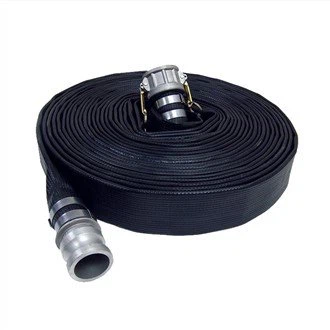
- Quick Release Hose Connector: Quick Release Hose Connector are used in various industries for fluid transfer applications. Choose connectors made of materials with similar corrosion resistance and apply protective coatings to prevent galvanic corrosion.
- Carbon Steel Pipe Fittings Elbow: Carbon Steel Pipe Fittings Elbow are widely used in piping systems. To prevent corrosion, consider using stainless steel or coated carbon steel elbows. Apply cathodic protection if necessary, especially in harsh environments.
Conclusion
Galvanic corrosion is a common problem in steel fitting assemblies, but it can be effectively prevented through proper material selection, insulation, cathodic protection, coating, and design considerations. As a steel fitting supplier, we are committed to providing high-quality products that are resistant to galvanic corrosion. If you have any questions or need assistance in selecting the right steel fittings for your application, please feel free to contact us. We look forward to working with you to ensure the long-term performance and reliability of your steel fitting assemblies.
References
- Fontana, M. G. (1986). Corrosion Engineering (3rd ed.). McGraw-Hill.
- Uhlig, H. H., & Revie, R. W. (1985). Corrosion and Corrosion Control (3rd ed.). Wiley.
- ASM Handbook, Volume 13A: Corrosion: Fundamentals, Testing, and Protection. ASM International.