Hey there! As a supplier of PVC spiral hoses, I've gotten tons of questions from customers about how temperature affects the flexibility of these hoses. So, I thought I'd sit down and write this blog to share what I've learned over the years in the business.
First off, let's talk a bit about what PVC spiral hoses are. These hoses are super popular because they're versatile and can be used in a bunch of different applications. Whether you're looking for a Pvc Wire Braided Flexible Hose Pipe for industrial use or a Pvc Suction Hose for your home garden, there's a PVC spiral hose out there for you. And if you need a more heavy - duty option, the Spiral Pipe Pvc is a great choice.
Now, let's get into the main topic: how temperature impacts the flexibility of PVC spiral hoses.
Cold Temperatures
When the temperature drops, PVC spiral hoses start to act a bit differently. PVC is a thermoplastic material, which means its properties change with temperature. In cold weather, the molecules in the PVC slow down and become more rigid. This is because the cold reduces the kinetic energy of the molecules, causing them to move less freely.
As a result, the hose becomes less flexible. You might notice that it's harder to bend or shape the hose when it's cold outside. For example, if you're trying to use a PVC suction hose in the winter to clean up some water in your yard, you'll find that it doesn't bend as easily around obstacles as it would in warmer weather.
The loss of flexibility in cold temperatures can also make the hose more prone to cracking. When you try to force a cold, rigid hose to bend, the stress on the material can cause small cracks to form. Over time, these cracks can grow and eventually lead to leaks or even complete failure of the hose.
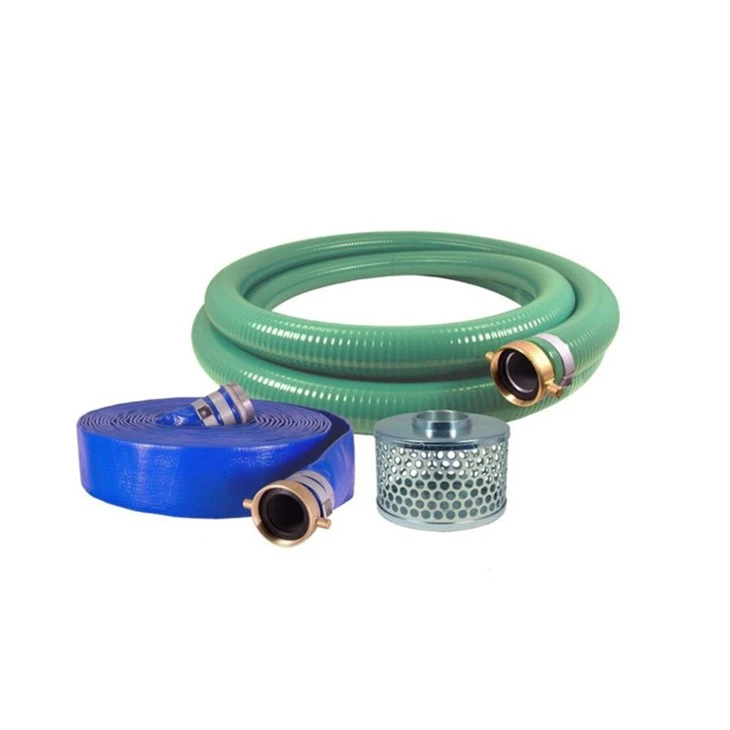
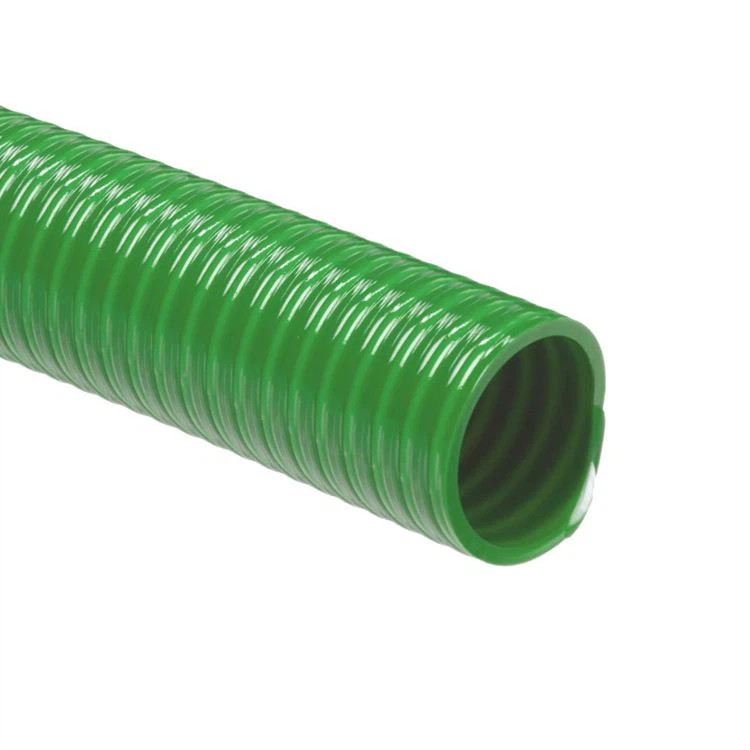
To deal with cold temperatures, it's a good idea to store your PVC spiral hoses indoors when it's cold. If you need to use them outside, try to warm them up a bit first. You can do this by bringing the hose into a warm area for a little while before using it. Some people also use heat tape or warm water to gently warm the hose, but be careful not to overheat it.
Warm Temperatures
On the other hand, when the temperature rises, PVC spiral hoses become more flexible. The increased heat gives the molecules in the PVC more kinetic energy, allowing them to move more freely. This makes the hose easier to bend and shape.
In really hot weather, though, there can be some downsides. High temperatures can cause the PVC to soften too much. If the hose is under pressure, this softening can lead to bulging or even bursting. For example, if you're using a PVC wire - braided flexible hose to transport high - pressure fluids in hot weather, you need to be extra careful.
Another issue with high temperatures is that they can cause the plasticizers in the PVC to migrate out of the material. Plasticizers are added to PVC to make it more flexible, but when they migrate, the hose can become brittle over time. This is especially a problem if the hose is exposed to direct sunlight for long periods, as UV rays can also accelerate the degradation of the PVC.
To protect your PVC spiral hoses in warm temperatures, try to keep them out of direct sunlight as much as possible. If you're using the hose in a hot environment, make sure it's properly rated for the temperature and pressure conditions. You might also want to consider using hoses with additional UV protection.
Testing and Quality Control
At our company, we take the impact of temperature on PVC spiral hoses very seriously. We conduct a series of tests to ensure that our hoses can perform well in different temperature conditions.
We test the hoses in both cold and hot chambers to simulate real - world temperature extremes. In the cold chamber, we measure the change in flexibility and check for any signs of cracking. In the hot chamber, we monitor the hose for softening, bulging, and plasticizer migration.
Our quality control team also inspects the hoses regularly to make sure they meet our high standards. We use advanced equipment to analyze the properties of the PVC and ensure that the hoses are consistent in terms of flexibility and durability.
Conclusion
So, as you can see, temperature has a significant impact on the flexibility of PVC spiral hoses. Cold temperatures make the hoses more rigid and prone to cracking, while warm temperatures can cause softening, bulging, and plasticizer migration.
If you're in the market for PVC spiral hoses, it's important to consider the temperature conditions in which you'll be using them. Make sure to choose hoses that are suitable for the temperature range of your application.
If you have any questions about our PVC spiral hoses or need help choosing the right one for your needs, don't hesitate to reach out. We're here to help you make the best decision for your project. Whether you need a Pvc Wire Braided Flexible Hose Pipe, a Pvc Suction Hose, or a Spiral Pipe Pvc, we've got you covered. Let's start a conversation and see how we can work together to meet your requirements.
References
- "Plastics Technology Handbook" by James F. Carley
- "Polyvinyl Chloride (PVC) - Properties, Processing, and Applications" by Charles A. Daniels