Hey there! As a PPR pipe supplier, I often get asked whether PPR pipes can be used in a chemical environment. It's a super important question, especially for industries that deal with various chemicals on a daily basis. So, let's dive right in and explore this topic.
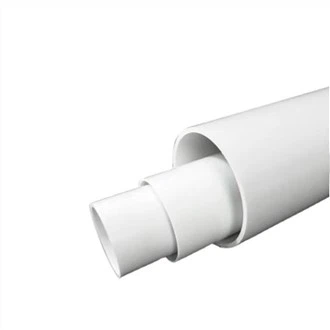
First off, what exactly are PPR pipes? PPR stands for Polypropylene Random Copolymer. These pipes are made from a type of plastic that's known for its durability, flexibility, and resistance to corrosion. They're commonly used in plumbing systems for both residential and commercial buildings. You can check out our Plumbers Ppr Pipe and Plastic Pipe Ppr options on our website to get a better idea of the products we offer.
Now, let's talk about chemical environments. Chemical environments can vary widely, from mild solutions in a laboratory setting to harsh industrial chemicals. The key factor in determining whether PPR pipes can be used in a particular chemical environment is the type of chemicals involved and their concentration.


PPR pipes have a certain level of chemical resistance. They can withstand many common household chemicals, such as mild acids and alkalis. For example, in a normal home plumbing system, PPR pipes can handle the occasional contact with soaps, detergents, and small amounts of acidic or alkaline water. This makes them a great choice for domestic water supply and drainage systems.
However, when it comes to more aggressive chemicals, things get a bit more complicated. Strong acids, like sulfuric acid or hydrochloric acid, and strong alkalis, such as sodium hydroxide, can potentially damage PPR pipes. These chemicals can react with the polypropylene material, causing it to degrade over time. The degradation can lead to a loss of strength, brittleness, and even leakage in the pipes.
In industrial settings, where the concentration of chemicals is often much higher, the use of PPR pipes needs to be carefully evaluated. Some industries, like the food and beverage industry, where the chemicals used are relatively mild and non - corrosive, PPR pipes can be a suitable option. But in chemical manufacturing plants or chemical storage facilities, where highly corrosive chemicals are present, other materials like stainless steel or special chemical - resistant plastics may be more appropriate.
Another thing to consider is the temperature in the chemical environment. High temperatures can accelerate the chemical reaction between the pipes and the chemicals. For example, if PPR pipes are exposed to hot chemicals, the rate of degradation can be significantly increased. So, even if a PPR pipe can tolerate a certain chemical at room temperature, it may not be able to withstand the same chemical at an elevated temperature.
We also need to think about the duration of exposure. Short - term exposure to a chemical may not cause immediate damage to PPR pipes, but long - term exposure can have a cumulative effect. For instance, if PPR pipes are continuously in contact with a mildly corrosive chemical over a period of months or years, the material may gradually break down.
To ensure the safe use of PPR pipes in a chemical environment, it's essential to conduct a chemical compatibility test. This test involves exposing a small sample of the PPR pipe to the specific chemical or chemical mixture at the expected temperature and concentration. The sample is then monitored over a period of time to check for any signs of degradation, such as changes in color, hardness, or weight.
Based on our experience as a PPR pipe supplier, we've seen many cases where proper evaluation and testing have led to the successful use of PPR pipes in various chemical - related applications. For example, in some small - scale chemical processing units, where the chemicals are relatively mild and the operating conditions are well - controlled, PPR pipes have proven to be a cost - effective and reliable solution.
But we always recommend that our customers consult with a chemical engineer or a professional in the field before using PPR pipes in a chemical environment. They can provide more accurate information based on the specific chemicals and conditions in the application.
If you're still not sure whether PPR pipes are suitable for your chemical environment, feel free to check out our Plastic Pipe Polypropylene page on our website. We have detailed product specifications and some general guidelines that can help you make an informed decision.
In conclusion, PPR pipes can be used in some chemical environments, especially those with mild chemicals and normal operating conditions. But for more aggressive chemical environments, a thorough evaluation and testing are necessary. As a PPR pipe supplier, we're here to help you make the right choice for your project. If you have any questions or need more information about our PPR pipes and their suitability for your chemical environment, don't hesitate to reach out to us. We'd be more than happy to have a chat with you and discuss your specific needs. Whether you're a contractor working on a new building project or an industrial facility looking for a reliable piping solution, we can offer you professional advice and high - quality PPR pipes. So, let's start the conversation and find the best piping solution for your chemical - related needs!
References
- "Handbook of Polymer Science and Technology"
- "Chemical Resistance of Plastics and Elastomers"