As a PVC pipe supplier, I've witnessed firsthand the critical role that soil conditions play in the performance and longevity of PVC pipes. In this blog post, I'll explore how various soil factors can affect PVC pipes and provide insights into ensuring their optimal use in different environments.
Physical Properties of PVC Pipes
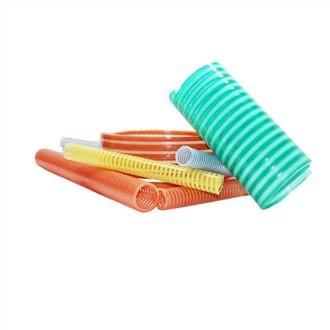
PVC, or polyvinyl chloride, is a widely used thermoplastic polymer known for its durability, chemical resistance, and cost - effectiveness. PVC pipes are available in a variety of sizes and types, such as PVC 90 Degree Elbow Pipe, PVC Drainage Hose, and Plastic Electrical Pvc Pipe. These pipes are used in a multitude of applications, including water supply, drainage, and electrical conduit systems.
Soil Composition and Its Impact
The composition of the soil is one of the primary factors that can influence PVC pipes. Soils can be classified into different types, such as sandy, clayey, and loamy soils, each with its own characteristics.
Sandy Soils
Sandy soils are composed of large particles with relatively large pore spaces. They are well - drained but have low cohesion. When PVC pipes are installed in sandy soils, the lack of soil compaction around the pipes can be a concern. Without proper backfilling and compaction, the pipes may not be adequately supported, leading to potential movement or settlement. This movement can cause stress on the joints of the PVC pipes, increasing the risk of leaks or even pipe failure over time.


Clayey Soils
Clayey soils, on the other hand, are made up of very fine particles with small pore spaces. They have high water - holding capacity and can expand and contract significantly with changes in moisture content. When the soil absorbs water, it swells, and when it dries out, it shrinks. This expansion and contraction can exert considerable pressure on PVC pipes. If the pipes are not installed with sufficient flexibility or if the soil movement is not accounted for, the pipes can crack or break. For example, in areas with heavy clay soils, seasonal changes in moisture can lead to repeated stress on the pipes, gradually weakening their structure.
Loamy Soils
Loamy soils are a combination of sand, silt, and clay, offering a balance of good drainage and moisture - retention properties. They generally provide better support for PVC pipes compared to sandy or clayey soils. However, even in loamy soils, proper installation techniques are still crucial. The soil may still contain some organic matter, which can decompose over time and potentially affect the chemical stability of the PVC pipes if the decomposition products are acidic or alkaline.
Soil pH and Chemical Environment
The pH level of the soil is another important factor. PVC pipes are generally resistant to a wide range of chemicals, but extreme pH values can have an impact. In acidic soils (low pH), the presence of certain acids can react with the PVC material over time, causing it to degrade. Similarly, highly alkaline soils (high pH) can also affect the pipes. For example, some alkaline substances in the soil can react with the additives in the PVC, altering its physical and chemical properties.
In addition to pH, the presence of other chemicals in the soil, such as salts, heavy metals, and industrial pollutants, can also pose a threat to PVC pipes. Salty soils, common in coastal areas or regions with high groundwater salinity, can cause corrosion of the pipes if the salt concentration is high enough. Heavy metals and industrial pollutants can react with the PVC material or its additives, leading to embrittlement or other forms of degradation.
Groundwater and Moisture Levels
Groundwater levels and moisture content in the soil are closely related to the performance of PVC pipes. High groundwater levels can increase the hydrostatic pressure on the pipes, especially in buried installations. If the pipes are not designed to withstand this pressure, they may collapse or experience structural damage.
Excessive moisture in the soil can also promote the growth of microorganisms. Some microorganisms can produce enzymes or other substances that can degrade the PVC material. For example, certain bacteria can break down the organic additives in the PVC, reducing its strength and durability.
Installation Considerations in Different Soil Conditions
To mitigate the effects of soil conditions on PVC pipes, proper installation techniques are essential.
Backfilling
In all soil types, proper backfilling is crucial. The backfill material should be free of large rocks, debris, and sharp objects that could damage the pipes. In sandy soils, a well - graded backfill material can be used to improve soil compaction around the pipes. In clayey soils, a layer of granular material, such as sand or gravel, can be placed around the pipes to provide a buffer against soil movement.
Bedding
A suitable bedding material is also important. A uniform layer of sand or crushed stone can be used as bedding to distribute the load evenly on the pipes and prevent point loads that could cause cracking. The thickness and quality of the bedding layer should be determined based on the soil type and the expected load on the pipes.
Joint Design
The joints of PVC pipes need to be carefully designed and installed to withstand the stresses caused by soil movement. Flexible joints can accommodate some degree of movement without leaking. For example, in areas with high soil expansion and contraction, such as clayey soils, using flexible rubber - ring joints can help prevent joint failure.
Monitoring and Maintenance
Once the PVC pipes are installed, regular monitoring is necessary. Inspections can detect early signs of damage, such as leaks, cracks, or soil settlement around the pipes. In areas with known challenging soil conditions, more frequent inspections may be required.
Maintenance measures may include repairing minor leaks or cracks promptly, adjusting the backfill material if soil settlement occurs, and protecting the pipes from chemical exposure if necessary.
Conclusion
In conclusion, soil conditions have a significant impact on the performance and longevity of PVC pipes. As a PVC pipe supplier, I understand the importance of providing customers with not only high - quality pipes but also guidance on proper installation and maintenance in different soil environments. By considering factors such as soil composition, pH, chemical environment, groundwater levels, and using appropriate installation techniques, the risks associated with soil conditions can be minimized.
If you are in need of PVC pipes for your project, whether it's a water supply system, a drainage project, or an electrical conduit installation, I encourage you to contact us for more information. We have a wide range of PVC pipes, including PVC 90 Degree Elbow Pipe, PVC Drainage Hose, and Plastic Electrical Pvc Pipe, and our team of experts can help you choose the right products and provide advice on installation and maintenance. Let's work together to ensure the success of your project.
References
- ASTM International. (20XX). Standards related to PVC pipes and their installation in different soil conditions.
- American Water Works Association. (20XX). Guidelines for water pipe installation and soil considerations.
- Soil Science Society of America. (20XX). Publications on soil properties and their impact on infrastructure materials.