Brass fittings are widely used in various industries due to their excellent corrosion resistance, malleability, and good conductivity. However, one common issue that users often encounter is the seizing of brass fittings. Seizing can lead to difficulties in disassembly, damage to the fittings, and even system failures. As a trusted brass fittings supplier, I am here to share some effective ways to prevent brass fittings from seizing.

Understanding the Causes of Seizing
Before we delve into the prevention methods, it's crucial to understand why brass fittings seize in the first place. Several factors can contribute to this problem:
1. Galvanic Corrosion
When two different metals come into contact in the presence of an electrolyte (such as water or a corrosive substance), galvanic corrosion can occur. Brass is an alloy mainly composed of copper and zinc. If it is connected to a dissimilar metal, such as steel or aluminum, a galvanic cell can form, leading to accelerated corrosion and seizing.
2. Friction and Heat
During installation, excessive tightening of brass fittings can generate high levels of friction and heat. This can cause the brass to expand and then seize when it cools down. Also, in systems where there are high - pressure or high - flow conditions, the continuous movement and vibration can increase friction and contribute to seizing.
3. Corrosive Environments
Exposure to corrosive substances like acids, alkalis, or saltwater can gradually corrode the surface of brass fittings. This corrosion can create rough surfaces, increasing the likelihood of seizing when the fittings are in contact.
Prevention Methods
1. Select the Right Materials
- Compatible Metals: When connecting brass fittings to other components, choose metals that are compatible with brass to minimize galvanic corrosion. For example, using other brass components or materials with similar electrochemical potentials can reduce the risk. If you need to connect to a different metal, consider using insulating gaskets or sleeves to separate the two metals.
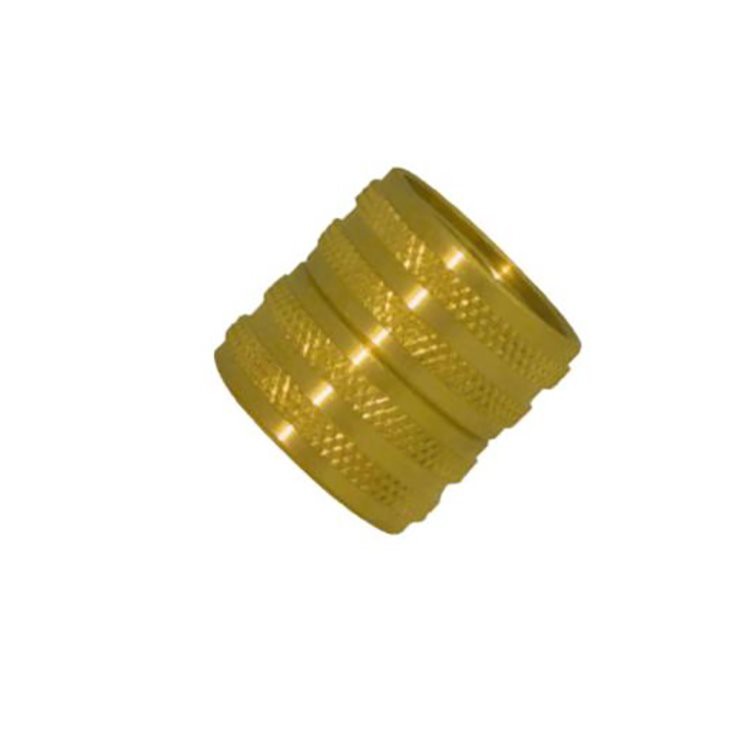
- Quality Brass: As a supplier, I ensure that our brass fittings are made from high - quality brass alloys. High - grade brass has better corrosion resistance and mechanical properties, which can significantly reduce the chance of seizing. Our Brass Gas Hose Connector is crafted from premium brass, providing reliable performance in gas systems.
2. Proper Installation Techniques
- Avoid Over - Tightening: Use the correct tools and follow the recommended torque specifications during installation. Over - tightening can cause excessive stress on the fittings, leading to deformation and seizing. A torque wrench can be a useful tool to ensure accurate tightening. For example, when installing our Brass Washing Machine Tap Connector, make sure to tighten it to the appropriate torque to prevent seizing.
- Lubrication: Applying a suitable lubricant can reduce friction during installation and operation. Silicone - based lubricants or anti - seize compounds are commonly used for brass fittings. These lubricants create a protective layer between the mating surfaces, reducing the risk of metal - to - metal contact and seizing. Before installing our Brass Compressor Fittings Connector, it is advisable to apply a thin layer of anti - seize compound on the threads.
3. Environmental Protection
- Coating and Plating: Consider applying a protective coating or plating to the brass fittings. For example, nickel plating can enhance the corrosion resistance of brass, especially in harsh environments. This can prevent the formation of corrosion products that can cause seizing.
- Isolate from Corrosive Substances: In systems where the fittings are exposed to corrosive substances, take measures to isolate them. This can include using protective enclosures or ensuring proper drainage to prevent the accumulation of corrosive liquids.
4. Regular Maintenance
- Inspection: Regularly inspect the brass fittings for signs of corrosion, wear, or damage. Early detection of problems can allow for timely replacement or repair, preventing seizing from occurring.
- Cleaning: Keep the fittings clean to remove any dirt, debris, or corrosion products. Use a mild detergent and a soft brush to clean the surface of the fittings. After cleaning, dry them thoroughly to prevent moisture - related corrosion.
Case Studies
Let's take a look at some real - world examples of how these prevention methods have been effective:
Case 1: A Plumbing System
In a residential plumbing system, the original brass fittings were seizing frequently due to the use of incompatible metals and over - tightening during installation. After replacing the fittings with high - quality brass ones from our company and using proper installation techniques, including lubrication, the seizing problem was completely resolved. The new Brass Washing Machine Tap Connector has been in use for over a year without any seizing issues.
Case 2: A Compressor System
A compressor system was experiencing seizing of its brass fittings, which was affecting the overall performance of the system. By applying a nickel - plated coating to the brass fittings and using anti - seize compound during installation, the seizing problem was eliminated. The Brass Compressor Fittings Connector now operates smoothly, reducing maintenance costs and downtime.
Conclusion
Preventing brass fittings from seizing requires a combination of proper material selection, correct installation techniques, environmental protection, and regular maintenance. As a leading brass fittings supplier, we are committed to providing high - quality products and professional advice to help our customers avoid seizing issues.
If you are in need of brass fittings for your project, whether it's a gas system, a plumbing system, or a compressor system, we have a wide range of products to meet your needs. Our Brass Gas Hose Connector, Brass Washing Machine Tap Connector, and Brass Compressor Fittings Connector are all designed with quality and reliability in mind. Contact us for more information and to discuss your specific requirements. We look forward to partnering with you in your projects.
References
- "Corrosion of Metals" by Roberge, P. R.
- "Handbook of Brass Alloys: Properties, Processing, and Applications" by P. R. Subramanian.